 Nashville
Franklin
Brentwood
Nashville
Home / Services / Pool Cleaning / Pool Filter Cleaning
Pool Cleaning
Passion Pool Care handles pool filter cleaning in Nashville the right way. We open the tank, pull the cartridges or grids, clean them in the right order and bring your filter back to its clean starting pressure.
Local
Greater Nashville based
Reliable
Weekly, like clockwork
Since 2013
Over a decade of pool care
Family Owned
Real people, real care
What's included
Most filter calls start with the pressure gauge. It reads 8 to 10 psi above where it sits when clean, the return jets feel weak and the water carries a haze that shock does not clear. Often the tank has not been opened in a year, and a quick backwash has been standing in for a real cleaning.
Our pool filter cleaning service means the tank comes apart. We pull cartridges or DE grids and degrease them before any acid touches them. We check the o-ring, air relief and manifold. DE filters get the right amount of fresh powder, and sand filters are backwashed until the water runs clear. Then we run the system and record the new clean starting pressure.
Middle Tennessee is hard on filters. Spring pollen, summer storms and fall leaves from Brentwood to Belle Meade load them quickly. We clean cartridge, DE and sand filters from Pentair, Hayward, Jandy, Zodiac and other major brands across Davidson, Williamson and Rutherford counties. Below, you'll find the signs a filter is due, how each type is cleaned and how often Nashville pools need it.
Is it time?
The pressure gauge tells most of the story, and the water and the equipment pad tell the rest.
01
Your filter gauge reads 8 to 10 psi above its clean starting pressure.
02
Return jets feel weak or your pool cleaner barely moves across the floor.
03
Cloudy water will not clear even after chlorine and shock.
04
DE powder or fine dirt blows back into the pool through the return jets.
05
Pressure climbs again within a few days of a backwash.
06
Nobody has opened the filter tank in a year or more.
Filter know-how
Here is how we clean each type of filter, how often Nashville pools need it, and what happens when a filter is left too long.
The honest answer is a number on the gauge. Every filter has a clean starting pressure. When the gauge climbs about 8 to 10 psi above it, the filter needs backwashing or cleaning, following the manufacturer's directions. Backwashing a sand filter on a fixed schedule instead can actually make it worse at catching fine particles. In Nashville, the gauge climbs fastest in pollen season, after summer storms and during leaf drop. A filter that coasted through winter may need cleaning every few weeks in April. That is why we read the gauge on every weekly visit and schedule a full cleaning when the numbers call for it.
A cartridge is pleated fabric, and two things clog it. Oils from sunscreen, sweat and pollen coat the fabric first, then minerals can crust on top. The order of cleaning matters. We hose the pleats, soak the cartridge in a filter degreaser to break down the oils and rinse it thoroughly. Only then, if minerals remain, does it get a mild acid cleaning. Using acid first can set the oils into the fabric for good. Cartridges are cleaned rather than backwashed, so a proper cleaning means pulling every element. Many owners keep a spare set, so one set can go back in while the other is cleaned.
A DE filter uses fabric grids coated with diatomaceous earth, a fine white powder that forms a cake about 1/16 to 1/8 inch thick. That cake traps the smallest particles of any pool filter. A backwash dumps some of the spent powder, but oils and minerals work into the grid cloth and stay there. A full cleaning means taking the grids out, hosing them and checking the cloth for tears. We soak out the oils and acid clean only if there is scale. Then we recharge the filter with fresh DE. The amount matters. Too little powder lets oils clog the cloth, and too much can bridge between grids. Dry DE powder can contain crystalline silica, so we handle it with care and keep the dust down.
A sand filter cleans itself by backwashing, which reverses the flow and lifts the sand bed so trapped dirt goes to waste. It should be backwashed when the pressure rises about 8 to 10 psi over its clean reading. The sand itself is long-lasting media, usually good for 5 to 15 years. New sand has sharp edges that catch dirt. Old sand wears smooth and can clump, so water starts channeling through the bed instead of being filtered. When backwashing no longer brings the pressure down, or the water stays hazy right after a backwash, the sand is likely finished. At that point it needs replacing.
After every cleaning, we run the system and note the pressure your filter reads when it is truly clean. That number becomes the baseline for the season. On each weekly visit, we compare the gauge against it. A slow, steady climb means the filter is doing its job. A fast climb right after a cleaning means something is loading it, such as an algae bloom, heavy debris or very cloudy water. When the reading drops well below the clean number, the problem is usually before the filter, like a full basket or an air leak. Knowing the baseline turns a gauge into a diagnostic tool instead of a guess.
A loaded filter slows the water down. Less flow means fewer turnovers each day, and it takes about four full turnovers to filter roughly 98 percent of the water. The chlorine added on service day reaches the far corners more slowly, so algae gets a head start in July heat. Many heaters need a minimum flow to fire, so a clogged filter can shut a heater off right when you want the spa. Variable-speed pumps work harder to hit their flow targets. Left too long, cartridge pleats collapse and DE grids tear, and dirt goes straight back into the pool. A timely cleaning costs far less than any of those.
Middle Tennessee's trees and weather keep filters busy. Each spring, a yellow coat of pollen settles on pools from Franklin to Green Hills and ends up packed into the media. Afternoon thunderstorms wash dirt and fine particles into the water, and wind carries more. In the fall, leaves break down into fine debris that slips past the skimmer basket and lands in the filter. Heavy tree cover in Belle Meade, Forest Hills and Brentwood makes all of this worse. These seasonal loads are why the same filter can go months between cleanings in winter and need attention within weeks in spring.
Every swimmer adds oils from skin, lotion and sunscreen to the water. Those oils are the first thing to coat cartridge pleats and DE grid cloth, and they are why a plain rinse rarely restores a filter. A busy summer of kids, pool parties and long weekends can load a filter faster than any storm. Oily filters also hold a scum line at the waterline, because oils that never reach the filter float on the surface. That is why our cleaning always starts with a degreaser. Asking swimmers to rinse off before getting in helps keep the filter cleaner between visits, too.
A filter cleaning is the best time to look at the parts you never see. We inspect the tank o-ring for wear and lubricate it before closing the housing. We check the air relief valve, the pressure gauge and the internal manifold or laterals for cracks. On DE filters, we look for torn grid cloth. On cartridges, we look for flattened or split pleats and crushed end caps. Sand in the pool usually points to a broken lateral. If we find a problem, we tell you plainly and quote the repair before any work starts.
A green pool cleanup puts a filter through its hardest week. Shock kills the algae, but the filter still has to catch every dead cell, and pressure can climb fast while the water clears. During a recovery, the filter may need to be backwashed or cleaned more than once. When the water is finally clear, a full cleaning removes the algae and debris left in the media, so it does not feed the next bloom. Skipping that step is one of the most common reasons a pool turns green again a few weeks later.
The filters on pool pads across Greater Nashville most often come from Pentair, Hayward, Jandy or Zodiac, and we clean all major brands. Each manufacturer sets its own directions for pressure, cleaning and reassembly. We follow them, from the clamp band on a cartridge tank to the multiport valve on a sand filter. Element sizes and grid counts vary from model to model, so we match replacement cartridges, grids and o-rings to your exact filter.
A filter has to match the pump it works with. Every filter is rated for a maximum flow, and pushing more water through it than that drives pressure up and shortens the time between cleanings. This often shows up after a pump upgrade. A new variable-speed pump running at high speed can overrun an older, smaller filter, and the gauge climbs within days of every cleaning. We compare your filter's rating with your pump and plumbing. Sometimes a lower pump speed solves it. If the filter is simply undersized for the pool, we will tell you plainly and explain the options.
Backwashing sends dirty pool water out of the system, and DE filters send used powder with it. That water carries chlorine, debris and fine powder, so where it goes matters. Used DE should never be washed into a sewer, a storm drain or a creek, and it should be handled according to local rules. Many Middle Tennessee backyards drain toward ditches and streams, so the hose needs to point somewhere sensible. Backwashing also lowers the water level a little. Afterward, the pool may need topping up and a quick chemistry check before the skimmer can do its job again.
The season changes what a filter needs. A spring opening is the right time for a full cleaning, because a filter that sat through winter often holds last fall's debris. Summer brings the heaviest load from swimmers, heat and storms, so we watch the gauge closely. Fall leaf season fills baskets and filters quickly across Williamson and Davidson counties. Winters here are mild enough that many pools only need a partial winterization, but a hard freeze can still crack a filter tank left full of water. If your pool closes for winter, the filter should be drained and cleaned before it sits.
How it works
1
Call (629) 247-6255 or send the form with your filter type and what the gauge reads.
2
We take the filter apart, clean the cartridges, grids or sand bed in the right order and check the parts.
3
We reassemble, run the system and record the clean starting pressure for next time.
FAQ
Still have a question? Call or text (629) 247-6255.
Clean or backwash it when the gauge reads about 8 to 10 psi above its clean starting pressure, rather than on a fixed date. In Nashville, that point comes sooner in pollen season, after storms and during fall leaf drop.
Hose the pleats from top to bottom, soak the cartridge in a filter degreaser to remove oils and rinse it well. Only then use a mild acid cleaner if minerals remain. Using acid first can set the oils into the fabric.
Backwash it when pressure rises 8 to 10 psi. A full cleaning means pulling the grids, hosing them and soaking out the oils. Acid is used only for scale, then we check for tears and recharge with fresh DE.
By backwashing it when the pressure rises about 8 to 10 psi over its clean reading. The sand itself lasts about 5 to 15 years. Once the grains wear smooth, the sand needs replacing rather than cleaning.
It depends on the filter type, its size and how loaded it is, so we give a free, no-obligation quote. Call (629) 247-6255 and tell us your filter type and what the gauge reads.
Yes. Every cleaning wears the pleats a little, so let the gauge decide. Clean the cartridge when pressure is up about 8 to 10 psi over its clean reading.
Not automatically. Replace a cartridge when the pleats are torn, flattened or crusted with minerals that cleaning will not remove. High pressure right after a proper cleaning is another sign. A spare set makes swaps easy.
Usually because something is still loading it, such as an algae bloom, heavy debris or very cloudy water. On DE filters, too much powder can also bridge between grids and push pressure up. We check the water and the filter together.
Something inside is usually broken, such as a torn DE grid, a cracked manifold, a broken sand lateral or a damaged cartridge. It needs an inspection and often a repair, because another cleaning will not fix it.
Not for long. Backwashing removes some spent powder, but oils and minerals stay in the grid cloth. Commercial guidance is to hand clean the grids about every three months of operation. Home filters need that full cleaning once backwashing stops bringing pressure down.
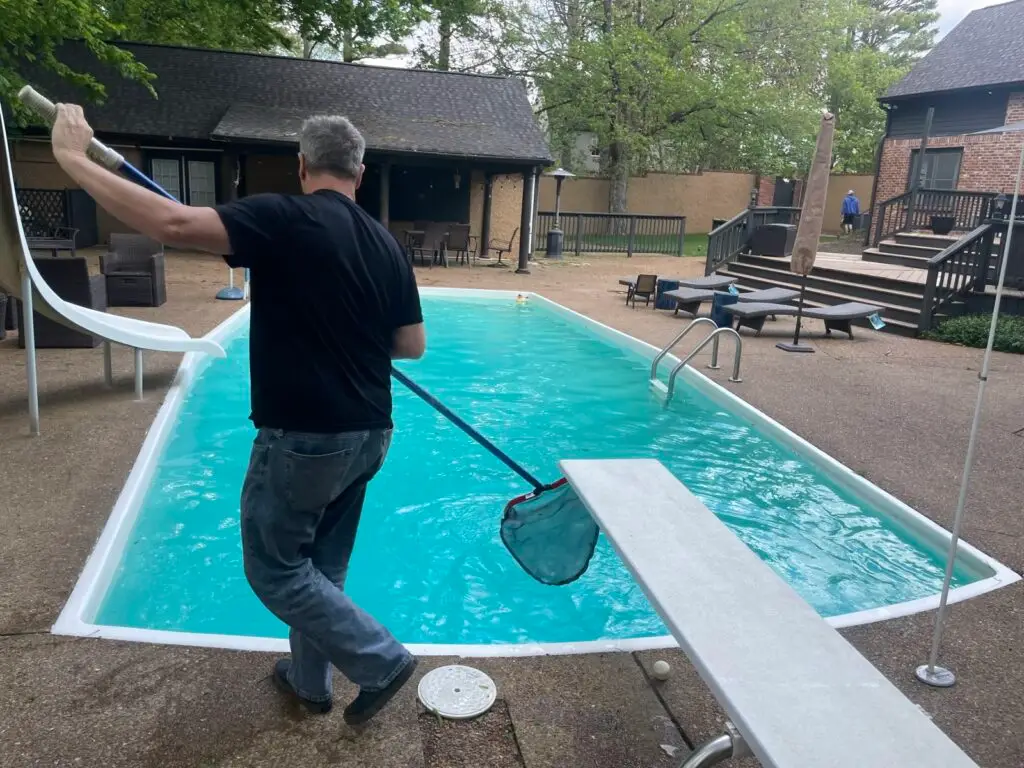
A set day every week: water balanced, walls brushed, baskets emptied and filter pressure read.
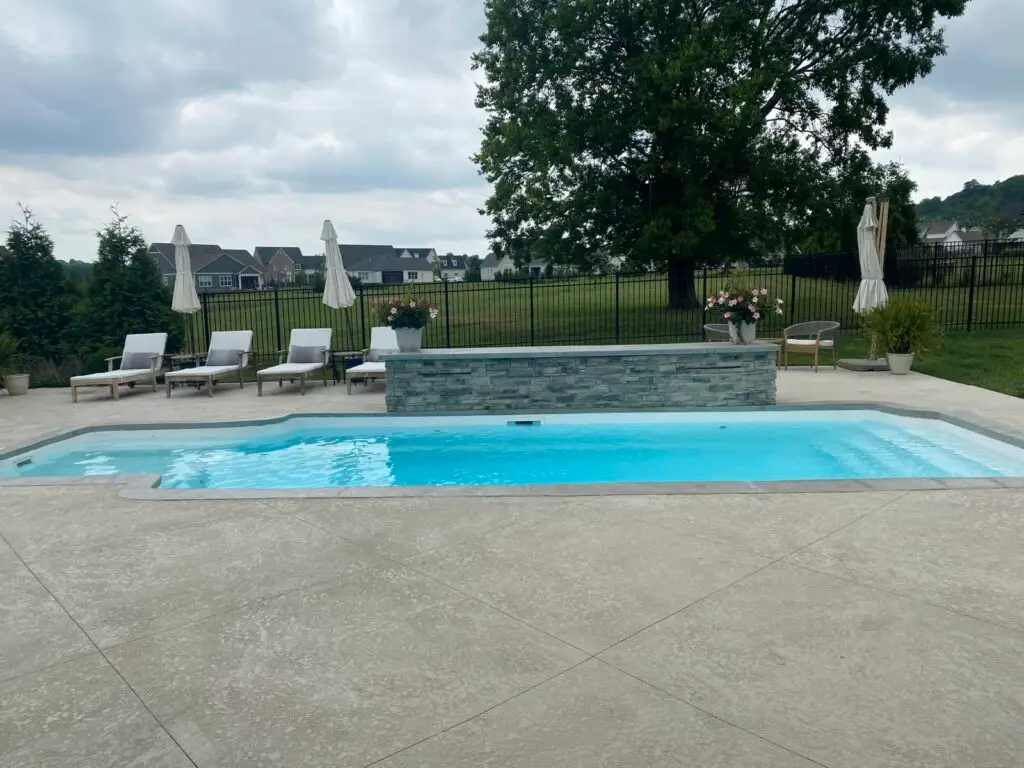
Cracked tanks, torn grids, broken laterals, leaking valves and worn o-rings repaired.
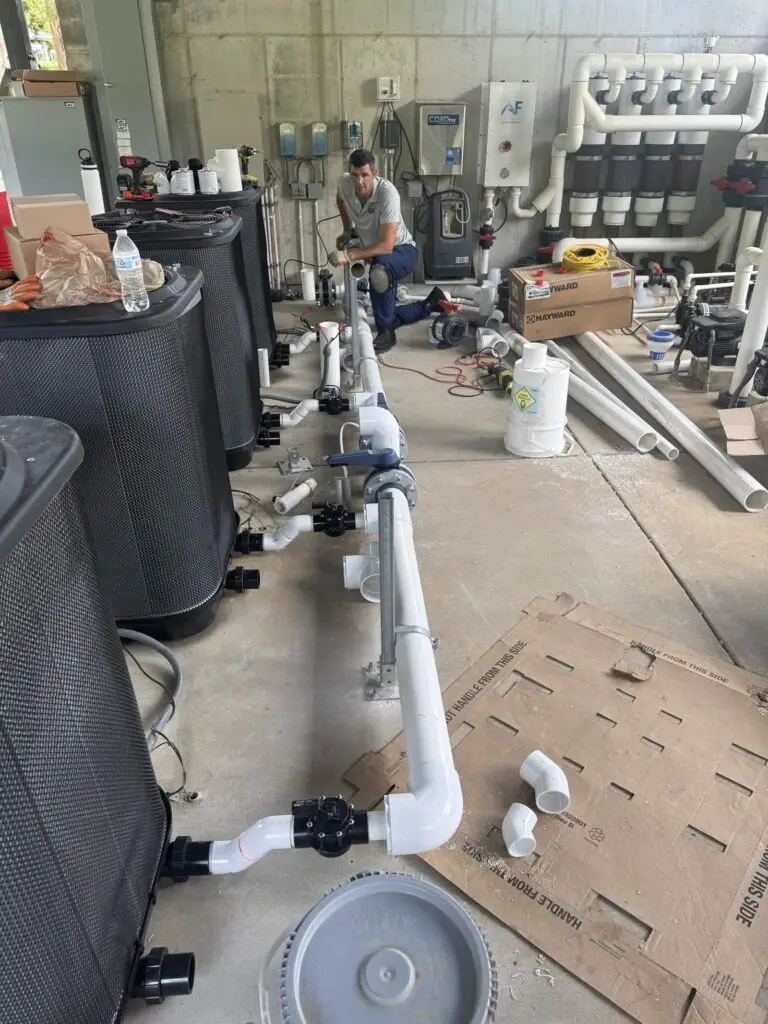
Worn filter sand replaced and laterals checked so your sand filter clears the water again.
Free quote
Tell us your filter type and what the gauge reads, and we will give you a free, no-pressure quote. Prefer to talk? Call (629) 247-6255.
Call or text
Based in
Murfreesboro, TN 37129. Serving Greater Nashville
Hours
Call for hours & availability
Takes less than a minute. Tell us about your in-ground pool and we'll reach out fast with a free, no-pressure quote.
No spam. Fast callback. Or call (629) 247-6255.