 Nashville
Franklin
Brentwood
Nashville
Home / Services / Specialty Services / Pool Salt Systems
Specialty Services
Passion Pool Care installs and services the pool salt system in Nashville homes, from full conversions to salt cell cleaning and replacement. We set the salt, stabilizer and output so your chlorine stays steady.
Local
Greater Nashville based
Reliable
Weekly, like clockwork
Since 2013
Over a decade of pool care
Family Owned
Real people, real care
What's included
The tablet bucket is empty again, the chlorine reading swings from high to low and the water feels harsh by the end of a hot week. Many Middle Tennessee owners get tired of that routine. A salt system replaces it with a steady supply of chlorine made right in the equipment pad, every time the pump runs.
A salt pool is still a chlorine pool. Salt dissolved in the water passes through a cell, and the cell turns it into chlorine. The water feels softer, and there are no tablets to buy or store. But a salt pool set up poorly can drift in pH, scale its cell or wear out the system early, so setup and care matter.
Our salt system work starts with your pad and your water. For a salt water pool conversion, we size the cell to your pool, plumb it in the right spot, connect it safely and bring the salt to the right level. For existing systems, we test, clean the cell and handle salt cell replacement when it wears out. We work with Pentair, Hayward, Jandy and Zodiac across Davidson, Williamson and Rutherford counties. Below, you'll find how salt systems work and how to keep one running well.
Is it time?
The first three signs describe a chlorine pool ready for salt, and the rest point to a salt system that needs care.
01
You are tired of buying, storing and adding chlorine tablets.
02
Your chlorine level swings high and low from week to week.
03
Swimmers complain about harsh water or red eyes.
04
The salt system shows a low salt or check cell warning.
05
White, crusty scale has built up on the cell's plates.
06
Chlorine stays low even with the output turned up high.
How it works
Here is how a salt system makes chlorine, what a conversion includes and how to keep the cell healthy.
A salt system is a chlorine generator. A low level of salt is dissolved in the pool, and the pump pushes that water through a cell holding layers of metal plates. The control unit sends a charge through the plates, and a process called electrolysis turns some of the salt into free chlorine. The salt itself does not sanitize the water. Once the chlorine does its work, it turns back into salt, so the same salt gets used again and again. That is why a salt pool needs only small top-ups over a season.
Most residential salt systems run with about 3,000 to 3,500 ppm of salt, and some models call for more. That is far less salty than the ocean, and most people barely taste it. To reach 3,000 ppm, a pool needs at least 250 pounds of salt for every 10,000 gallons. We use pool-grade salt, spread it in the shallow end and brush it until it dissolves. Salt is only lost when water leaves the pool through backwashing, splash-out or heavy rain. After a stormy Nashville summer, a top-up is common.
Converting a chlorine pool to salt is mostly work at the equipment pad. We mount the control unit, plumb the cell into the return line and wire it to power, with the flow switch and bonding connected. If you used a tablet feeder, we remove it or take it out of service, so the two systems do not double up. Then we test the water, adjust stabilizer and pH, add salt to the target level and start the system. We set the output, explain the panel and show you what to test each week.
Order on the equipment pad matters for a salt system. The cell belongs last in line, after the pump, filter and heater. That way, the strong chlorine leaving the cell goes straight back to the pool instead of passing through the heater, where it could corrode the heat exchanger. The cell also needs clean, filtered water, so it should never sit before the filter. We plumb it with unions, so it comes off easily for inspection and cleaning. If your pad is tight, we plan the layout before any pipe is cut.
Making chlorine also releases a small amount of hydrogen gas, which normally leaves the water harmlessly. To keep it from building up, every salt system has an interlock that shuts the cell off when water is not flowing. On most systems, that is a flow switch in the plumbing next to the cell. If the pump stops, the cell stops too. A flow switch that sticks or fails can shut the system down or, worse, let it run without flow, so we check it on every visit and during any repair.
A salt pool still needs stabilizer, which is cyanuric acid. Without it, strong sun can burn off half the chlorine in less than an hour, and a salt cell would struggle to keep up on a bright Nashville afternoon. With stabilizer in the 30 to 50 ppm range, chlorine lasts three to ten times longer. Salt systems do not add stabilizer the way tablets do, so it is added by hand. Too much slows chlorine down and raises the risk of algae. We test it at setup and keep it in range.
Salt systems tend to push pH up slowly over time. The process that makes chlorine also produces a small amount of a strong base, and the water movement at waterfalls and spillways adds to the rise. Left alone, pH can climb past 7.8, where chlorine works much less well and scale forms faster. Most salt pools need a small acid addition on a regular schedule. Keeping alkalinity on the lower end of its target range slows the drift. We set your pH and alkalinity targets and show you how to hold them.
The cell's plates are the most likely spot for calcium scale, because chemistry right at the plates favors it. Scale coats the plates and cuts chlorine output. Many cells reverse their charge from time to time to shed scale on their own, but they still need regular checks. We look inside the cell, and when scale builds up, we clean it the way the manufacturer directs, usually with a mild acid soak. Keeping calcium in the 200 to 400 ppm range and pH in balance makes cleaning far less frequent.
A salt system's output is set as a percentage, and the right setting changes with the weather. In a hot Nashville July, with long days and heavy swimming, the cell may need to run high. In spring and fall, a lower setting often holds the same chlorine. Most cells also slow down or stop in cold water to protect themselves, so winter chlorine may need a little help. We set output by season, and if you have automation, you can adjust it from your phone.
A salt system makes chlorine, but it does not test the water. Owners still need to check free chlorine and pH often, plus alkalinity, calcium, stabilizer and salt on a regular schedule. The cell's salt reading is a helpful guide, but it can drift as the cell ages or the water cools, so a separate salt test confirms it. The CDC's home pool testing guide is a good place to start. On our weekly route, we handle all of this for you.
Salt water can be hard on some surfaces around the pool. Natural stone coping and decking may wear faster when salt water splashes and dries on them, so a good sealer helps. Metal parts can corrode when salt is combined with poor bonding, which lets small electrical currents flow between metals. We check bonding at the pad and the pool as part of any conversion. Rinsing salty splash off stone and metal now and then also helps everything last longer in a salt pool.
A salt system takes over one job, which is making chlorine. Everything else still needs doing. The filter needs cleaning when the pressure rises, the walls need brushing, baskets need emptying and pH needs regular attention. Heavy rain, pollen and leaves can use up chlorine faster than the cell can replace it. Many owners pair a salt system with our weekly route, so the cell, the water and the rest of the pad all get checked together.
A salt cell wears out over time, because the coating on its plates slowly breaks down as it works. How long it lasts depends on how many hours it runs, how high the output is set and how well the water is balanced. Signs of an aging cell include chlorine that stays low at high output, frequent check cell warnings and plates that look worn. We test the cell before calling it done, since low salt, scale or a flow problem can look the same. When it is time, we handle the salt cell replacement and reset the system.
The salt systems we install and service most often on Greater Nashville pads come from Pentair, Hayward, Jandy and Zodiac, and we work with all major brands. Each one has its own cell sizes, salt targets and cleaning directions, and we follow them. Matching the salt system to your automation brand often makes control easier, with output and warnings right in the app. When you replace a cell, a matching replacement from the same maker usually fits the existing plumbing and control unit.
A salt system works well on its own, but pairing it with automation makes it easier to run. The controller can show the salt level, cell status and output in the app, and you can raise or lower output without walking to the pad. It can also start boost mode after a party or a storm. If your controller and salt system come from the same brand, more of these features work. We set up the link during installation and show you where to find each setting.
Winter care for a salt pool depends on your plan for the season. If the pool stays open, the pump has to run on freezing nights, and the cell will produce little chlorine in cold water, so we keep an eye on levels and add chlorine when needed. If you close the pool, the cell should be drained along with the rest of the equipment, and some owners store it indoors. The salt stays in the water, so in spring you usually only need a small top-up.
How it works
1
Call (629) 247-6255 or send the form with your pool size and what is on your equipment pad.
2
We test the water, check your pad and wiring and give you a free, no-pressure quote.
3
We install or service the system, set the salt and output and show you what to test.
FAQ
Still have a question? Call or text (629) 247-6255.
It depends on your pool's size, the system you choose and any plumbing or wiring changes. We check your pad first and give you a free, no-obligation quote. Call (629) 247-6255 to set it up.
Yes. The salt cell turns dissolved salt into chlorine, and that chlorine sanitizes the water. You just do not add it by hand.
The pump sends salty water through a cell with charged plates. The cell turns salt into chlorine, the chlorine cleans the water and then turns back into salt to be used again.
Turn off the system, remove the cell and check the plates for white scale. If it is there, clean it as the manufacturer directs, usually with a mild acid soak. Balanced calcium and pH slow scale down.
Yes. Many systems have a boost mode, or you can add liquid chlorine directly. After a storm, a party or a green spell, a manual shock is often faster than waiting on the cell.
Cold water, a scaled cell or an aging cell can all throw off the reading. Test the salt with a separate kit first. If the level is right, the cell likely needs cleaning or testing.
When chlorine stays low at high output, warnings keep coming back and cleaning does not help. Cell life depends on run hours, output and water balance, so we test it before replacing it.
Many manufacturers advise it. Brush the salt and run the pump until it fully dissolves and mixes, then turn the cell back on. That keeps the reading accurate and protects the cell.
Testing tells. We confirm the salt level, check the flow switch and look at the cell and its readings. If the cell tests good, the problem is likely in the control unit or wiring.
Follow your system's directions. Most home salt systems run around 3,000 to 3,500 ppm, though some models call for more. Too little salt cuts chlorine output, and too much can trigger warnings.
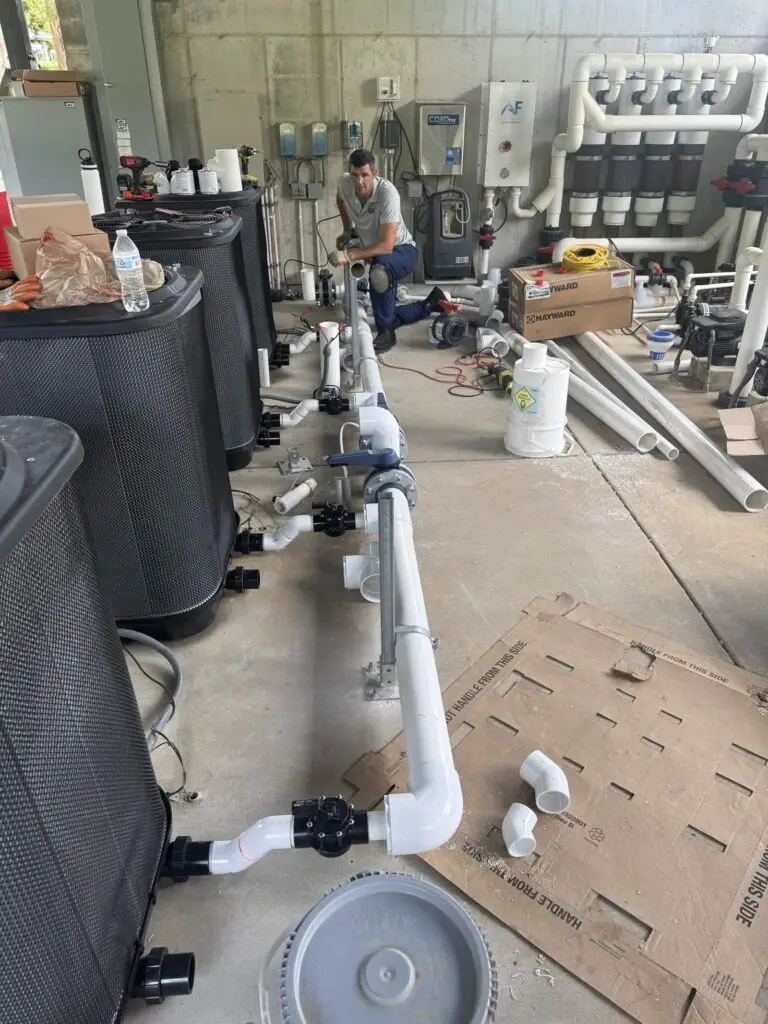
Pump, heater, valves and lights on one app, installed, programmed and repaired.
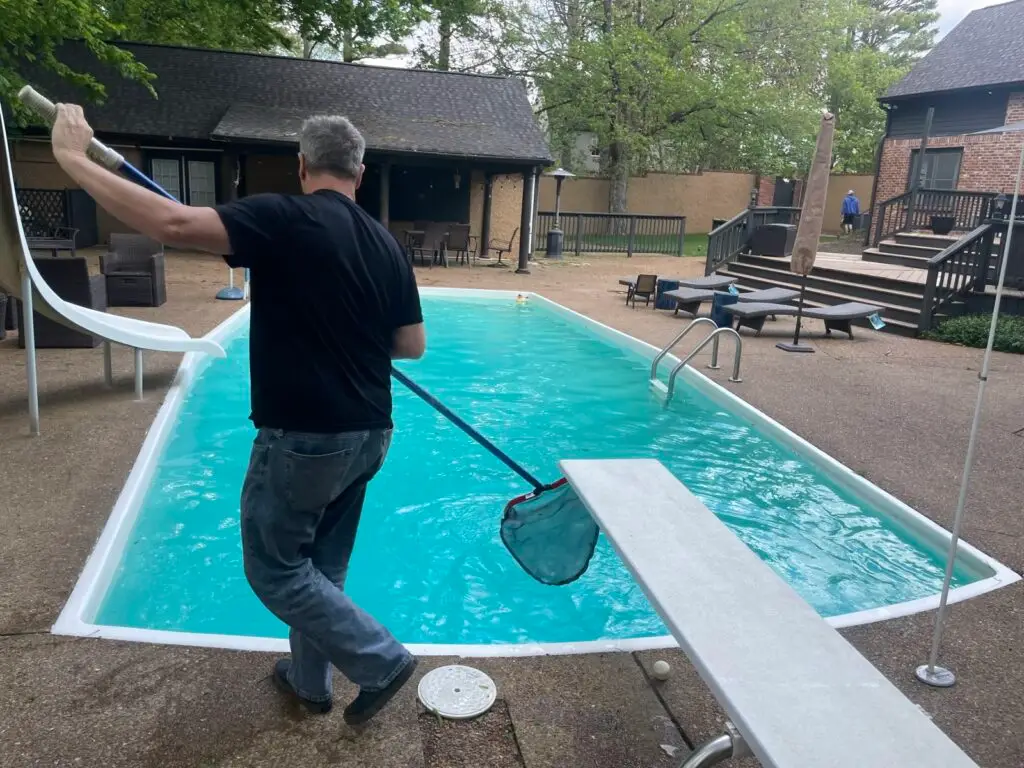
A set day every week: water balanced, walls brushed, baskets emptied and equipment checked.
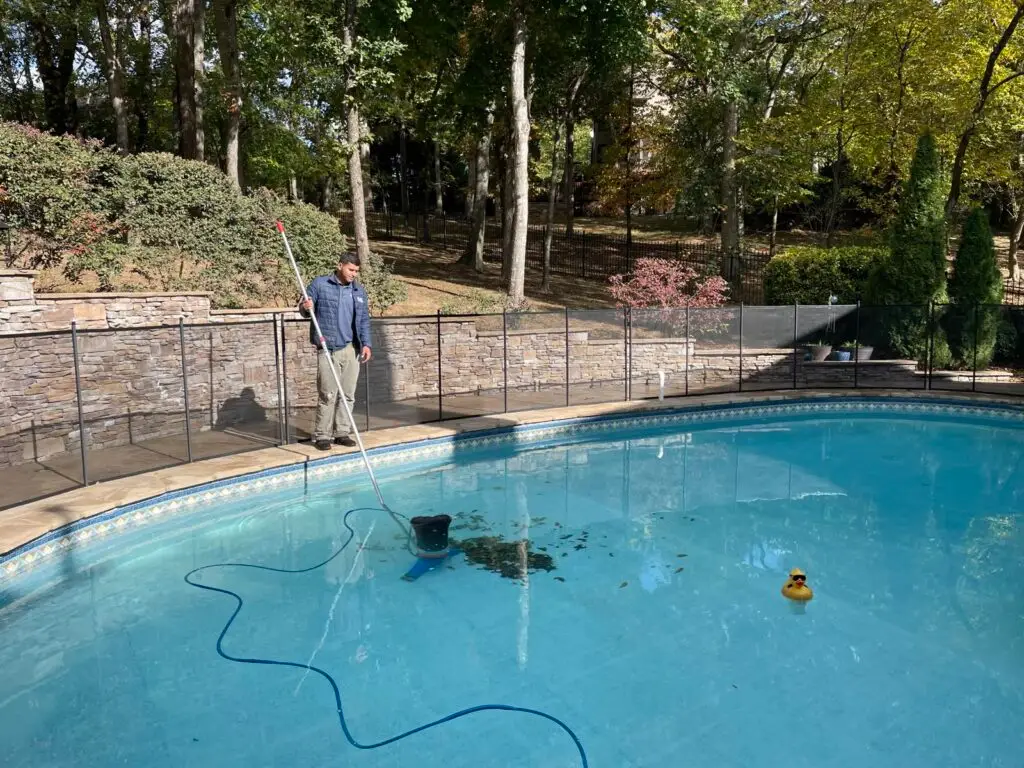
Waterline calcium, stains and scum removed from tile, spillways and rock without draining the pool.
Free quote
Tell us your pool size and what is on your equipment pad, and we will give you a free, no-pressure quote. Prefer to talk? Call (629) 247-6255.
Call or text
Based in
Murfreesboro, TN 37129. Serving Greater Nashville
Hours
Call for hours & availability
Takes less than a minute. Tell us about your in-ground pool and we'll reach out fast with a free, no-pressure quote.
No spam. Fast callback. Or call (629) 247-6255.