 Nashville
Franklin
Brentwood
Nashville
Home / Services / Equipment Installations / Pool Heater Installation
Equipment Installations
Passion Pool Care handles pool heater installation in Nashville for gas heaters and heat pumps. We size the heater to your pool and spa, set it on a proper base and fire test it before we leave.
Local
Greater Nashville based
Reliable
Weekly, like clockwork
Since 2013
Over a decade of pool care
Family Owned
Real people, real care
What's included
Middle Tennessee gives you a long summer, but the water lags behind the air. In April and October, the days feel warm while the pool still sits in the 60s. A heater closes that gap. It can add weeks to each end of the season, and it turns a spa into something you use all year.
The right heater depends on how you swim. Gas heaters, running on natural gas or propane, warm the water fast and work in any weather. Heat pumps pull heat from the air, cost much less to run and suit pools that stay warm for weeks at a time. Many Nashville owners pick one, and some pair both for the best of each.
Our installation starts with sizing. We work out the heat your pool and spa need, check the gas line or electrical supply and recommend Pentair, Hayward, Jandy, Raypak, Zodiac or another major brand. Then we set the heater on a level base, plumb it after the filter and fire test it. Our team installs heaters across Davidson, Williamson and Rutherford counties. Below, you'll find how gas and heat pumps compare and what a proper pool heater replacement includes.
Is it time?
Many heater problems are a single part, but these signs usually point to a new heater or a first one.
01
The heat exchanger leaks or shows heavy corrosion inside the cabinet.
02
Repair bills keep adding up on a heater that has seen many seasons.
03
Parts for your heater model are no longer made.
04
The heater runs all day and the pool still will not reach your setting.
05
You want to swim in April and October, but the pool has no heater.
06
A new spa or spillover needs faster heat than your current setup gives.
Heater choices
Here is how gas heaters and heat pumps compare, how we size them and what a proper installation includes.
Gas heaters burn natural gas or propane and heat water fast. They do not care how cold the air is, so they suit spas, quick weekend warm-ups and chilly spring nights. Heat pumps move heat from the air into the water. They heat more slowly, but they cost far less to run for each degree they add. If you swim most days from spring to fall, a heat pump often makes sense. If you heat a spa on short notice or swim now and then, gas is usually the better fit. We ask how you use the pool before we recommend either.
A heat pump uses a refrigerant cycle, much like an air conditioner in reverse. It pulls heat from the outside air and hands it to the pool water. Because it moves heat rather than making it, a typical heat pump puts out three to eight times the energy it uses. The catch is air temperature. The colder the air, the less heat it can pull. Nashville's warm, humid months suit heat pumps well, but output drops on cold March and November nights. Models with scroll compressors hold up better in cooler air and run more quietly.
Gas heaters run on natural gas or propane, and the choice usually comes down to what reaches your home. Many neighborhoods around Nashville have natural gas lines. Some homes on larger lots further out rely on a propane tank instead. Propane often costs more per unit of heat, so we look at your fuel price before you decide. Safety differs too. Natural gas is lighter than air and drifts away, while propane is heavier and settles low. That is one reason a propane heater never goes in a pit or low enclosure. The Department of Energy also has a helpful overview of gas pool heaters.
Heater sizing starts with a simple rule. It takes about 8.33 BTUs to raise one gallon of water by one degree. So a 20,000-gallon pool needs roughly 1.7 million BTUs to warm 10 degrees, before any heat escapes. A heater with 400,000 BTUs of hourly output does that in a bit over four hours, and a smaller unit takes longer. Keeping the pool warm takes much less heat than the first warm-up. A heater that is too small leaves you waiting. One that is far too large costs more to buy and install. We size for how fast you want the heat and how often you swim.
Pools and spas ask different things of a heater. A pool loses most of its heat through the surface, so wind, shade and a cover shape the size you need. A spa holds far less water, but you usually want it hot in under an hour. That makes heat-up speed the main concern for a spa. If you have both, we size the heater so the spa warms quickly and the pool stays comfortable. Spa water should never go above 104°F, and the thermostat setting is something we walk through with you at startup.
Order on the equipment pad matters. The heater belongs after the pump and filter, so it receives clean water. It also belongs before any chlorinator, salt cell or ozone system. That keeps strong chemicals from flowing back into the heat exchanger and eating it from the inside. Most manufacturers call for check valves to stop hot water and chemicals from moving the wrong way. Some installations also add a bypass line and valve, which helps control flow through the heater. When we install a heater, we fix any order problems on the pad while the plumbing is open.
A gas heater has to sit on a level, noncombustible base, such as a concrete pad or brick. If hollow blocks form the base, it needs to be at least four inches high with sheet metal across the top. Every heater also has clearance limits to walls, overhangs and other equipment, set by the manufacturer and national gas codes. Wind matters too. In an open, windy spot, the heater either sits at least three feet from the nearest wall or gets a wind block. A gas heater also needs to sit at least five feet from a spa's inside wall unless a fence or wall separates them.
Any heater works only as well as its supply. A gas heater needs a gas line sized for its BTU input and the length of the run. If the line is too small, the burner starves, and the heater struggles to light or stay lit. A heat pump needs its own electrical circuit, sized to the manufacturer's rating. Before we quote, we look at your existing gas line or electrical panel. If a new line or circuit is needed, we tell you up front, so it is part of the plan from the start and does not catch you by surprise later.
A heater should never fire without water moving through it. If your pump runs on a timer, the heater needs a separate low-voltage switch that turns it off before the pump stops. This is often called a fireman switch. It lets the heater cool down with water still flowing, which protects the heat exchanger. On older millivolt heaters, the wire run to that switch should stay under 30 feet, or the voltage drops too low for reliable control. If you have an automation system, we wire the heater into it so the same safety logic applies.
Gas heaters light in one of two ways. Older millivolt heaters keep a standing pilot burning, while most modern heaters use electronic ignition that sparks only when heat is called for. Some state and local codes no longer allow standing pilots, so electronic ignition is the usual choice for a new heater. Heater controls should also sit out of reach of children and guests. Many owners tie the new heater into an automation system, so they can warm the spa from a phone on the way home. We set the controls up and show you how they work.
Running cost is part of the choice. For a gas heater, divide its BTU input by 100,000 to get therms per hour. Multiply by the hours it runs and the price per therm on your gas bill. For a heat pump, you pay only for the electricity to run the compressor and fan, and it moves several units of heat for each one it uses. That is why heat pumps cost less to run over a long season. Gas still wins when you need a lot of heat fast. We can run these numbers with you before you decide.
Most of a pool's heat escapes from the surface. Evaporation, radiation and wind account for about 95 percent of the loss. An uncovered pool can lose as much as half of a day's temperature rise, while a covered pool loses closer to 15 to 25 percent. Over a full season, a cover can cut heating costs by 50 to 70 percent. That makes a cover one of the best things you can pair with a new heater. A bubble cover also soaks up sunlight on clear days and passes that warmth into the water.
Water chemistry has a big effect on how long a new heater lasts. Most heat exchangers contain copper, and low pH or aggressive water slowly eats away at it. High calcium does the opposite. Calcium becomes less soluble as water warms, so scale forms inside the heater first and cuts its output. Keeping pH, alkalinity and calcium in range protects your investment. If you are on our weekly route, we test and balance the water on every visit. If not, we show you the readings that matter most for a heated pool.
The heaters we install most often on Greater Nashville pads come from Pentair, Hayward, Jandy, Raypak and Zodiac, and we work with all major brands. When it makes sense, we match the heater to the pump, filter and controls already on your pad, so fittings and automation line up. Each manufacturer sets its own rules for installation, clearances and startup, and we follow them. Choosing a common model also means parts and service will be easy to find for years. We are happy to explain the differences between models before you choose.
A new heater gets a careful first startup. We check every water and gas joint for leaks, confirm good flow through the heater and follow the manufacturer's startup steps. Then we fire it and watch it run through a full heat cycle. If you ever smell gas near a propane heater, keep everyone back and call your gas supplier before anyone tries to relight it. Once the heater is running well, we set the thermostat, show you the controls and explain the fireman switch. You know how to use it before we leave.
Most Middle Tennessee winters are mild, but a hard freeze can crack a heat exchanger that is left full of water. If your pool runs all winter, the pump has to keep water moving on freezing nights. If you close the pool, the heater needs to be drained along with the rest of the equipment. Leaves, nests and small animals also find their way into idle heaters, so a quick check before the first spring firing is worth it. We show you where the drain plugs are on your new heater and how to winterize it.
How it works
1
Call (629) 247-6255 or send the form with your pool size, any spa and when you want to swim.
2
We check your pad, gas line or electrical supply, size the heater and give you a free, no-pressure quote.
3
We set the heater on a level base, plumb it after the filter and run it up to temperature.
FAQ
Still have a question? Call or text (629) 247-6255.
It depends on the heater type and size and on whether a new gas line or electrical circuit is needed. We check your pad and supply first and give you a free, no-obligation quote. Call (629) 247-6255 to set it up.
Yes. We plumb the heater into your current equipment pad after the filter and before any chlorinator. It needs a level base, room for clearances and a gas line or electrical circuit sized for it.
The water plumbing is simple, but gas and high-voltage connections call for licensed trades under local codes. Some manufacturers also require a professional install for warranty coverage, so check the terms first.
For a pool you keep warm for weeks at a time, usually yes. A heat pump moves three to eight units of heat for each unit of electricity it uses, so it costs far less to run than gas. It heats more slowly, though.
They work, but output drops as the air gets colder. In Nashville they do well from late spring to early fall. For cold spring nights or a hot spa on short notice, gas heats faster.
Pick a heat pump if you swim most days and want low running costs. Pick gas if you heat a spa often, swim now and then or want fast heat in cold weather. We help you weigh both.
Yes. Many owners run both, plumbed one after the other. The heat pump holds the pool temperature cheaply, and the gas heater handles fast spa heat and cold snaps. A controller can decide which one runs.
It depends on the heater's BTU input, the length of the run and whether it burns natural gas or propane. An undersized line starves the burner, so we check your line before we quote.
Close to the equipment pad, in open air with the clearances the manufacturer lists. A heat pump pulls heat from the air around it, so it needs room to breathe and should not sit in a closed space.
The gas line is leak tested, air is purged from the line and the manufacturer's startup steps are followed. Because propane is heavier than air, never relight a heater if you smell gas near it.
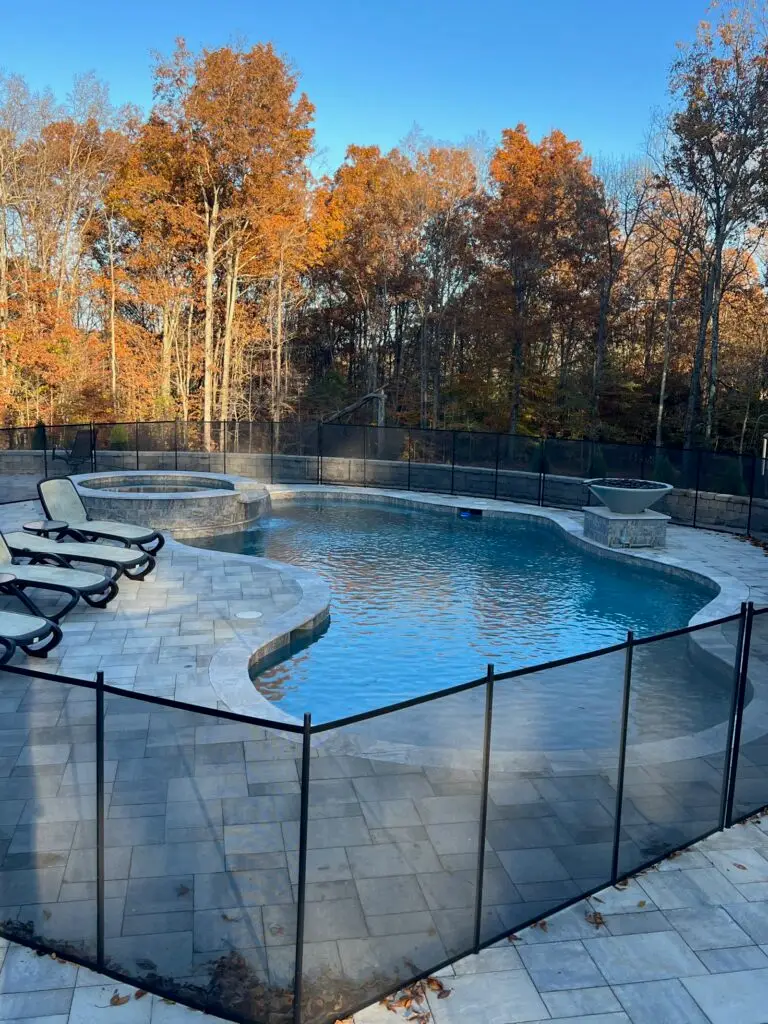
Gas heaters and heat pumps diagnosed: ignition, flow, pressure switch, heat exchanger and error codes.
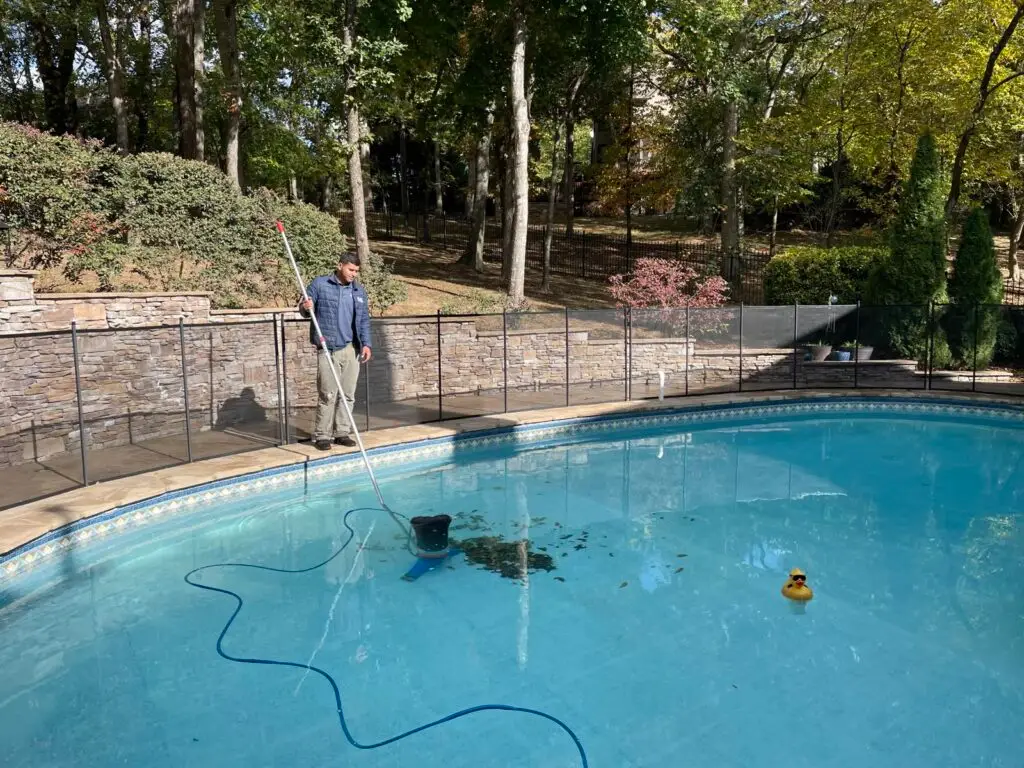
Variable-speed pumps sized to your pool, installed with unions and programmed to save power.
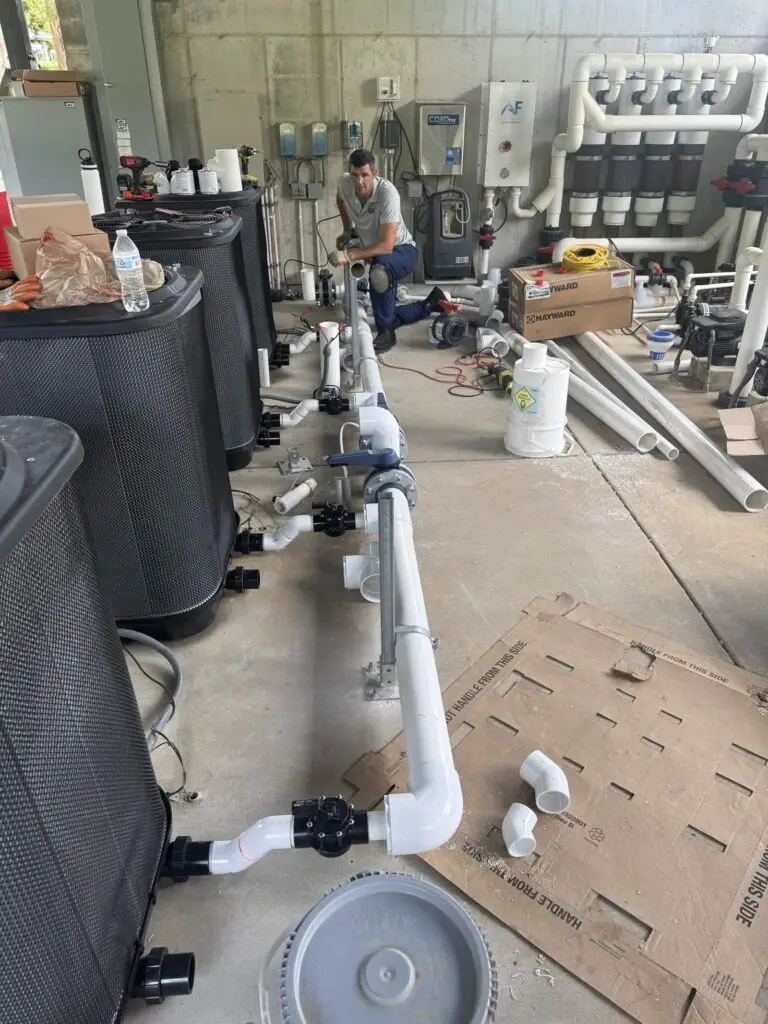
Pump, heater, valves and lights on one app, installed, programmed and repaired.
Free quote
Tell us how you use your pool and spa, and we will size the right heater and give you a free, no-pressure quote. Prefer to talk? Call (629) 247-6255.
Call or text
Based in
Murfreesboro, TN 37129. Serving Greater Nashville
Hours
Call for hours & availability
Takes less than a minute. Tell us about your in-ground pool and we'll reach out fast with a free, no-pressure quote.
No spam. Fast callback. Or call (629) 247-6255.