 Nashville
Franklin
Brentwood
Nashville
Home / Services / Commercial Pool Service
Services
Passion Pool Care provides commercial pool service in Nashville for select HOA, community and apartment pools. We test, log, clean and check the equipment on a set schedule, so your pool stays safe, clear and ready for inspection.
Local
Greater Nashville based
Reliable
Weekly, like clockwork
Since 2013
Over a decade of pool care
Family Owned
Real people, real care
What's included
A community pool works much harder than a backyard pool. Dozens of swimmers on a hot Saturday, long open hours and summer storms all pull the chemistry out of balance fast. Residents notice cloudy water or a strong chlorine smell right away, and a failed inspection can close the pool on the busiest weekend of the year.
Commercial pool maintenance is about steady routines. The water has to be tested and logged on schedule, the filter has to keep up with heavy use and the drains, gates and equipment have to stay safe. Property managers and HOA boards need a partner who shows up, fixes small problems early and keeps clear records.
We take on select commercial pools across Greater Nashville and care for them the way we care for our residential routes. Each visit includes testing and balancing, commercial pool cleaning, a filter and equipment check and a documented summary of what we found and did. We work on Pentair, Hayward, Jandy and Zodiac equipment across Davidson, Williamson and Rutherford counties. Below, you'll find what commercial service covers and how we keep a busy pool ready for swimmers.
Is it time?
If any of these sound familiar, it may be time for a new approach to your community pool.
01
Residents complain about cloudy water or a strong chlorine smell.
02
Your chemical logs have gaps or are hard to read.
03
The pool closed for water problems on a busy weekend.
04
An inspection listed items that still are not fixed.
05
Equipment problems go unreported until something fails.
06
Your current company is hard to reach when problems come up.
Commercial pool care
Here is how commercial pools differ from home pools and what it takes to keep a busy pool safe and clear.
We take on a select number of commercial pools around Greater Nashville. That includes HOA and neighborhood pools, apartment and condo pools and similar community properties. Keeping the list small lets us give each pool the same steady attention our residential customers get. Before we take on a pool, we walk it with the property manager or board, look at the equipment and records and talk about how the pool is used. If it is a good fit, we build a service plan around your season, hours and swimmer load. We also ask about recent inspection reports, so we know where to start.
A community pool sees far more swimmers than a backyard pool, often in a short burst on hot afternoons. Each swimmer adds sweat, sunscreen and germs that use up chlorine. Commercial pools also run longer hours, serve people the owner does not know and fall under public health rules. Most are built to circulate water around the clock. All of that means less room for error. A chlorine level that would be fine for a family pool on a quiet day may not hold up through a crowded Nashville Fourth of July.
Public and community pools in Tennessee fall under state and local health rules, and inspectors check water quality, safety equipment and records. The property owner or manager is responsible for meeting those rules. The CDC's Model Aquatic Health Code is also a guide that many agencies use when they update their codes. Our role is to keep the water, filtration and equipment in good shape and to keep clear records of what we test and do. When an inspection lists items to fix, we help correct the water and equipment items quickly.
Commercial pools need steady chemistry, because swimmer loads swing from empty to crowded in a few hours. The ideal free chlorine range is 2 to 4 ppm, with a minimum of 1 ppm, though your local code has the final word. pH should sit between 7.4 and 7.6, which is easy on eyes and keeps chlorine working. Stabilizer between 30 and 50 ppm protects chlorine from the sun. We also keep alkalinity and calcium in range to protect plaster and equipment. On a hot summer weekend, we plan for the extra demand.
Records matter more at a commercial pool than anywhere else. Inspectors often ask to see chemical logs, and good records show a pool that has been cared for. On every visit, we test the water, record the readings and note what we added and why. We also note filter pressure, equipment condition and anything that needs attention. You get a documented summary after each visit, so the board or manager always knows where the pool stands. If something looks off between visits, call us and we will check it.
Turnover is the time it takes to move the full volume of the pool through the filter. Many codes call for a six-hour turnover for pools and a much faster one for spas. One turnover filters only about 63 percent of the water, and it takes about four to reach roughly 98 percent, which is why commercial pools usually run all day and night. A flow meter on the return line shows whether the system is moving enough water. We check flow on every visit, because low flow is often the first sign of a problem.
Commercial filters work hard, and pressure readings should decide when they get care. Sand filters are backwashed when pressure rises 8 to 10 psi above the clean reading. Cartridge filters are cleaned at the same rise, and having a spare set ready keeps the pool open during cleaning. Commercial DE filters need their grids cleaned by hand every few months on top of regular backwashing. We track pressure on every visit and schedule filter work around your pool hours, so it rarely affects swimmers.
Suction outlets are one of the most serious safety concerns at any pool. Since December 2008, the Virginia Graeme Baker Pool and Spa Safety Act has required anti-entrapment drain covers on public pools and spas. Covers are rated for a maximum flow and wear out over time, so they need regular checks. A pump that is too large can push past a cover's rating. We inspect drain covers on our visits, look for cracks and missing screws and tell you when a cover is due for replacement.
Many people think a strong chlorine smell means too much chlorine. Usually it means the opposite. That smell comes from chloramines, which form when chlorine combines with sweat, urine and other waste from swimmers. Chloramines irritate eyes and skin and do a poor job of sanitizing. Busy community pools build them up quickly. We test both free and total chlorine, and when combined chlorine climbs, we raise chlorine enough to break it down. Asking swimmers to shower before they get in helps a lot too.
Accidents happen at community pools, especially those with young children. When they do, the pool needs to close and the material needs to come out right away. What happens next depends on the type of incident, and the CDC's contamination response guidance sets out the steps. Some germs, such as Cryptosporidium, are very tolerant of chlorine, so the response matters. We help property staff set up a clear plan ahead of time and can assist with treatment and testing when an incident occurs.
Many commercial pools use automated controllers that measure pH and sanitizer and feed chemicals as needed. Pools with them are at lower risk of algae and swings, because chlorine stays steady between visits. Most controllers use an ORP probe, and ORP readings drop as stabilizer rises, so stabilized outdoor pools need careful setup. Probes need cleaning about once a month and regular checks against manual tests. We calibrate and maintain controllers as part of service, and we can talk with you about adding one if your pool does not have it.
Commercial pools often keep larger amounts of chemicals on site, and storage matters. Chlorine products are oxidizers and acids are corrosives, and the two must never be stored where they can mix. Mixing them can release toxic gas. Chemicals should stay in their original containers, in a cool, dry and ventilated space that only trained staff can reach. We review your chemical room with you, point out anything that needs attention and handle chemicals carefully on every visit.
Commercial pumps, filters and heaters run long hours, and they wear faster than home equipment. We watch for early warning signs on every visit, such as noisy bearings, rising pressure, leaks or weak flow. Small problems found early are cheaper to fix and less likely to close the pool. When a repair is needed, we explain what failed, quote it and schedule it around your pool hours. We work on all major brands, including Pentair, Hayward, Jandy and Zodiac. We also keep an eye on parts that are hard to find, so a breakdown does not leave the pool closed for weeks.
Hot summer weekends put the most strain on a community pool. A crowded day, afternoon thunderstorms and plenty of sunscreen all use up chlorine fast. Before a holiday weekend, we can schedule an extra visit to raise chlorine, clean the filter and check the equipment, so the pool starts strong. After a big storm, we check for debris and diluted chemistry. Planning ahead keeps the pool open when residents want it most.
Many Nashville community pools open around Memorial Day and close after Labor Day. A good opening takes more than removing the cover. The water needs to be cleaned and balanced, the equipment restarted and checked, and safety items like drain covers and gates reviewed before swimmers arrive. At closing, the pool needs to be balanced, covered and protected from freezing. We can plan openings and closings with your board, so the pool is ready on time and protected over the winter.
Commercial service works best with clear communication. We give you one point of contact, written summaries after each visit and quick answers when something comes up. For HOA boards, we can provide the information you need for budgets and planning, such as equipment that is nearing the end of its life. We are a family-owned company that has served Middle Tennessee pools since 2013, and we treat your pool like it belongs to our own neighborhood.
How it works
1
Call (629) 247-6255 or send the form with your property type, pool size and season.
2
We review the pool, equipment and records with you and give you a free, no-pressure quote.
3
We start service on your chosen days, with testing, cleaning and a written summary after every visit.
FAQ
Still have a question? Call or text (629) 247-6255.
It depends on the pool's size, swimmer load, visit schedule and equipment. We walk the pool first and give you a free, no-obligation quote. Call (629) 247-6255 to set it up.
Generally, any pool used by people beyond a single household, such as HOA, apartment, condo and club pools. State and local health rules decide exactly which pools are covered.
Most run around the clock. Many codes call for a six-hour turnover, and continuous circulation keeps chemicals mixed and the water filtered during heavy use.
Backwash by pressure, not by the calendar. When the gauge reads 8 to 10 psi above the clean starting pressure, it is time. Always follow the filter manufacturer's directions.
Many do. A salt system makes chlorine on site, but the pool still needs regular testing, records and chemistry within code limits. We can tell you whether one fits your pool.
Test as often as your local code requires, log every reading and keep the records on site. A service partner can handle scheduled visits, while trained staff or a controller covers the time between.
Test free and total chlorine to measure it, then raise chlorine enough to break the chloramines down. Showering before swimming and steady chlorine levels help keep them from building back.
Test and balance the water, log the readings, skim, brush and vacuum, empty baskets, check filter pressure and flow and look over drain covers and equipment. You should get a summary of each visit.
The inspector lists what needs correcting, and some items can close the pool until they are fixed. We help correct water and equipment items quickly so the pool can reopen.
Your local code sets the minimum. The industry ideal range for pools is 2 to 4 ppm of free chlorine, with a minimum of 1 ppm. Busy days may call for more.
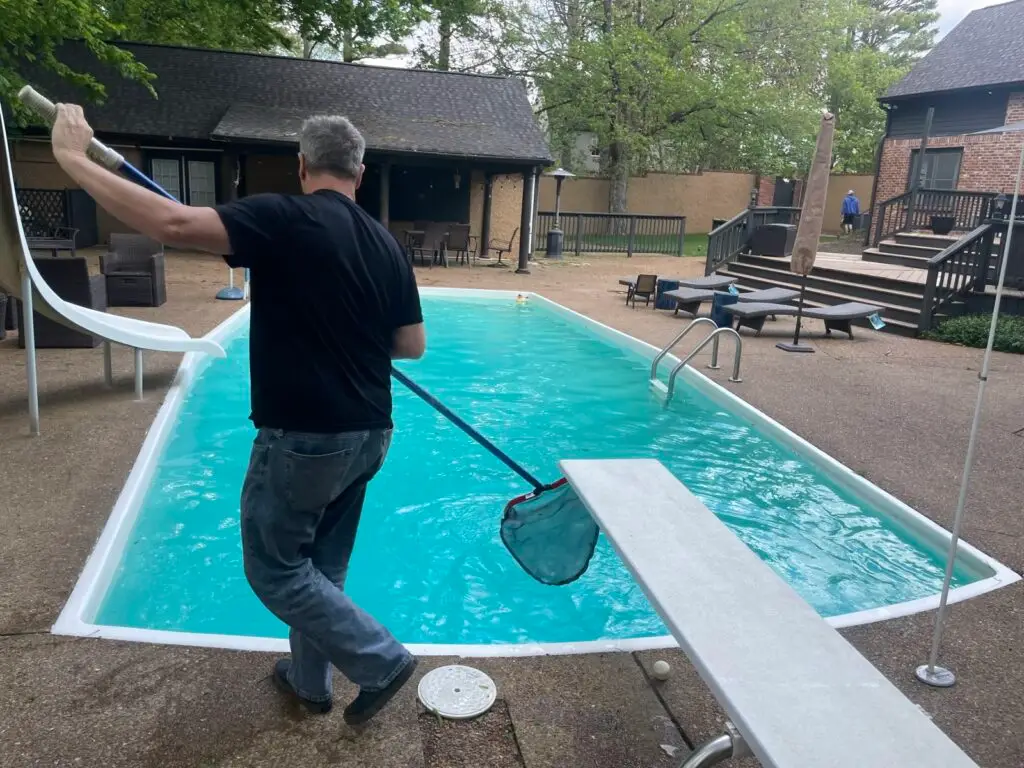
A set day every week: water balanced, walls brushed, baskets emptied and equipment checked.
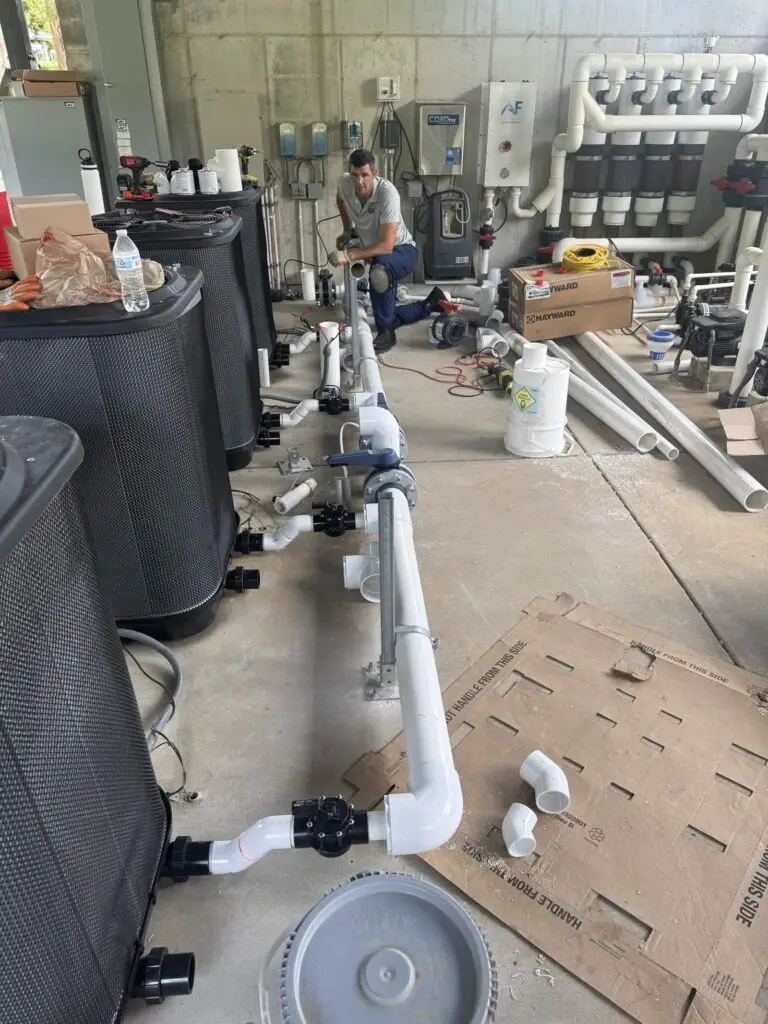
Humming motors, lost prime, leaking shaft seals, noisy bearings and variable-speed faults repaired.
Cartridge, DE and sand filters opened, cleaned and checked when the pressure gauge says it is time.
Free quote
Tell us about your property and how many swimmers use the pool, and we will give you a free, no-pressure quote. Prefer to talk? Call (629) 247-6255.
Call or text
Based in
Murfreesboro, TN 37129. Serving Greater Nashville
Hours
Call for hours & availability
Takes less than a minute. Tell us about your in-ground pool and we'll reach out fast with a free, no-pressure quote.
No spam. Fast callback. Or call (629) 247-6255.