 Nashville
Franklin
Brentwood
Nashville
Home / Services / Pool Repairs / Pool Pump Repair
Pool Repairs
Passion Pool Care handles pool pump repair in Nashville for single-speed and variable-speed pumps. When your pump hums, leaks, loses prime or trips the breaker, we trace the symptom to the failed part and fix it.
Local
Greater Nashville based
Reliable
Weekly, like clockwork
Since 2013
Over a decade of pool care
Family Owned
Real people, real care
What's included
The pump is the heart of your pool. When it stops, the filter, heater, chlorinator and cleaner all stop with it, and in a Middle Tennessee July the water can turn cloudy within days. Most pump failures give a warning first: a new noise, a slow leak, a basket full of air or a breaker that trips on hot afternoons.
Each symptom points to a different part. A hum usually means a failed capacitor or a seized impeller. Lost prime points to an air leak on the suction side. Water under the motor is a shaft seal, and a screech or grind is a bearing. Weak flow with clean baskets often means a clogged impeller or a variable-speed setting problem.
Our pump repair starts with the power off and the symptom traced to its source. We work on Pentair, Hayward, Jandy, Zodiac and other major brands across Davidson, Williamson and Rutherford counties. You get a free quote before any parts are replaced, and an honest answer when a pump is worth more as a replacement. Below, you'll find the common failures and what each repair involves.
Is it time?
These symptoms point to a specific failed part that should be fixed before it damages the motor.
01
The pump hums, but the motor will not start spinning.
02
The pump loses prime and the pump basket fills with air.
03
Water is dripping from under the motor or the pump housing.
04
You hear a screech, grind or rattle while the pump runs.
05
The breaker trips or the motor shuts off on hot afternoons.
06
Flow at the returns is weak even with clean baskets and a clean filter.
Pump repairs
Here is how a pool pump works, what usually breaks and how we decide whether to repair the pump, replace the motor or replace the whole unit.
Almost every residential pool uses a centrifugal, self-priming pump. The motor spins a shaft, the shaft turns an impeller and the impeller throws water outward through the pump housing, called the volute. That creates suction at the inlet, which pulls water from the skimmer and main drain through the strainer basket. A mechanical shaft seal keeps water in the pump and out of the motor. The self-priming design lets the pump clear small amounts of air and refill itself after it stops. When any one of those parts fails, the symptom tells us where to look. On many Nashville pads, the pump also feeds the heater, a salt cell and a cleaner, so a weak pump shows up everywhere at once.
A pump that hums but will not spin usually has a failed start capacitor. The capacitor gives the motor a kick to get moving. When it weakens, often after a summer of heat, the motor hums, gets hot and trips its overload protection. Replacing it is usually a quick repair. Before we do, we check that the shaft turns freely, because a seized impeller or failing bearings can cause the same hum. Swapping a capacitor on a seized motor only burns out the new part, so we test both before we replace anything.
When the pump basket fills with air and the flow drops, air is getting in somewhere before the pump. The usual suspects are a dry lid o-ring, a loose union, a cracked fitting or a leaking valve stem. A water level below the skimmer opening does it too. Because the suction side pulls rather than pushes, these leaks suck air in instead of dripping water out, which makes them hard to spot. We trace them by checking each joint with the pump running. A pump that runs dry, even for a short time, can damage its seal, so lost prime is worth fixing quickly.
A drip under the motor end of the pump almost always means a failed shaft seal. The mechanical seal has two faces that press together as the shaft spins, and they wear out over time, faster if the pump runs dry. A small leak looks harmless, but water creeps along the shaft into the motor and rusts the bearings. Once that happens, the motor screams and fails. Replacing the seal early is a modest repair. Waiting can turn it into a new motor. We replace the seal and the housing gaskets together, since the pump is apart anyway. If the pump has ever run dry, the seal is worth a closer look.
A screech, grind or steady whine from the motor usually points to worn bearings. Bearings wear with age, but heat and moisture speed it up, and a Nashville summer brings plenty of both. A motor running in full sun on a hot afternoon, with its vents packed with leaves or grass clippings, can overheat and trip its thermal overload. Keeping the motor shaded, ventilated and dry helps it last. Once bearings start to scream, the motor is close to failing. Depending on its age, the fix is new bearings or a new motor.
Cavitation happens when the impeller cannot get enough water. The pump sounds like it is pumping gravel, the flow drops and in bad cases the pump and motor vibrate. The usual causes are a full skimmer basket, a clogged pump basket, a partly closed suction valve or air leaking into the line. Left alone, cavitation damages the impeller and the seal and can shorten the life of the motor. It is one of the reasons we empty baskets on every weekly visit. When we hear it on a repair call, we fix the restriction before we touch any pump parts.
Weak flow with clean baskets often means something got past the basket and lodged in the impeller. Around Nashville, the usual culprits are pine needles, seed pods, sticks and hair. Spiky sweetgum balls that drop across Brentwood and Belle Meade every fall are a classic. The impeller vanes are narrow, so it does not take much to choke them. Clearing a clogged impeller means opening the pump, removing the debris and checking the vanes and the diffuser for damage. A torn or missing pump basket is often the reason debris got through, so we check that too.
Variable-speed pumps use a drive that controls the motor's speed, and that drive has its own electronics and error codes. Common problems include drive faults after a power surge, communication errors with automation and overheating in direct sun. Some pumps also will not restart on their own after a brief outage. Many faults trace back to settings rather than broken parts, such as a schedule that never runs long enough or a priming speed set too low. We read the codes, check the settings and the wiring, and replace the drive only when it has truly failed.
A pump that trips the breaker may have a failing motor, a shorted winding, moisture in the motor or a wiring problem. Middle Tennessee thunderstorms add lightning and power surges to the list, and they can damage motors and drives in a single afternoon. We test the motor and the pump's connections with a meter to find the cause. Problems with the house wiring, the breaker panel or bonding belong to a licensed electrician, and we will tell you when that is what you need. A tripping breaker should never be reset over and over. Each reset strains a motor that is already struggling.
Many pump problems show up on the first warm weekend of spring. A pump that sat through the winter may have dried-out o-rings, a seized shaft or a housing cracked by a hard freeze. Leaves and debris left in the lines can clog the impeller the moment it starts. Before restarting, we check the pump for cracks, fill the basket with water to help it prime and watch it run. A pump that will not prime after a winter off often has a suction-side air leak from a shrunken o-ring. Catching that early protects the seal. A few minutes of attention on startup day can save a motor.
The strainer basket in front of the pump catches leaves, hair and debris before they reach the impeller. It only works when it is intact and emptied often. A cracked basket lets debris straight through, and a packed one starves the pump. The clear lid on top seals with an o-ring that dries out and flattens over time, which is a common source of air leaks. We empty the basket with the pump off, check it for cracks, clean and lubricate the lid o-ring and make sure the lid seats evenly. It is a small part that protects the whole pump.
The pumps on most Greater Nashville pool pads come from Pentair, Hayward, Jandy or Zodiac, and we repair all major brands. Each brand uses its own seals, impellers, diffusers, drives and motors, so we identify the exact model from the nameplate before ordering parts. A clear photo of the nameplate taken while the pump is new makes future repairs easier, because labels fade in the sun. If a model has been discontinued and parts are hard to find, we tell you that up front.
Variable-speed pumps save energy by running slowly for long periods, and the savings are biggest when the pump runs at low speed overnight. Many are set up poorly, though. A pump that runs at high speed all day wastes most of the benefit, while one set too low may not skim the surface or run the heater and cleaner. During a repair, we check the schedule and speeds. Then we adjust them so the pool turns over properly and the pump runs quietly and efficiently.
Most pump problems are worth repairing. A capacitor, seal, o-ring or impeller costs far less than a new pump. When the motor has failed but the housing and impeller are sound, a motor replacement can be the right call. A new pump makes more sense when the housing is cracked, several parts have failed at once or an old single-speed pump is driving up your power bill. We give you a free quote for each option that makes sense, and you decide.
How it works
1
Call (629) 247-6255 or send the form and tell us what the pump is doing or how it sounds.
2
We test the motor, seal and suction side, trace the cause and quote the repair before any work.
3
We make the repair, prime the pump and test the system before we leave.
FAQ
Still have a question? Call or text (629) 247-6255.
Usually a failed start capacitor. A seized impeller or worn bearings can cause the same hum, so the shaft should be checked before the capacitor is replaced. Turn the pump off so the motor does not overheat.
A drip under the motor end usually means a worn shaft seal. Leaks at the lid, unions or housing come from o-rings and gaskets. Fix a seal leak early, because water reaching the motor ruins the bearings.
It depends on run time, heat, water chemistry and care. Keeping the motor shaded, ventilated and dry and fixing small leaks quickly are the best ways to stretch its life.
It depends on the failed part and your pump model, so we give a free, no-obligation quote after we diagnose it. Call (629) 247-6255 to set up a visit.
Worn bearings usually cause a screech or grind. A gravel-like rattle points to cavitation from a clogged basket or a closed suction valve, and a loud hum with no spin points to the capacitor.
Air is leaking in on the suction side, often through the lid o-ring, a union or a valve stem. When the pump stops, the water drains back and air takes its place. Sealing the leak fixes it.
The motor is drawing too much current while it struggles to start, from a bad capacitor, seized bearings or a shorted winding. Do not keep resetting the breaker. Call us to test it.
Some drives need a manual restart or a schedule check after power returns, and a surge can trip a drive fault. Check the display for a code, then call us if it will not clear.
An air leak on the suction side, a low water level, a clogged basket or a worn impeller can all slow priming. Filling the pump basket with water before starting helps while we find the cause.
Check for a tripped breaker, a timer or automation setting and a blown fuse first. If the pump has power and still does nothing, the motor, switch or drive has likely failed.
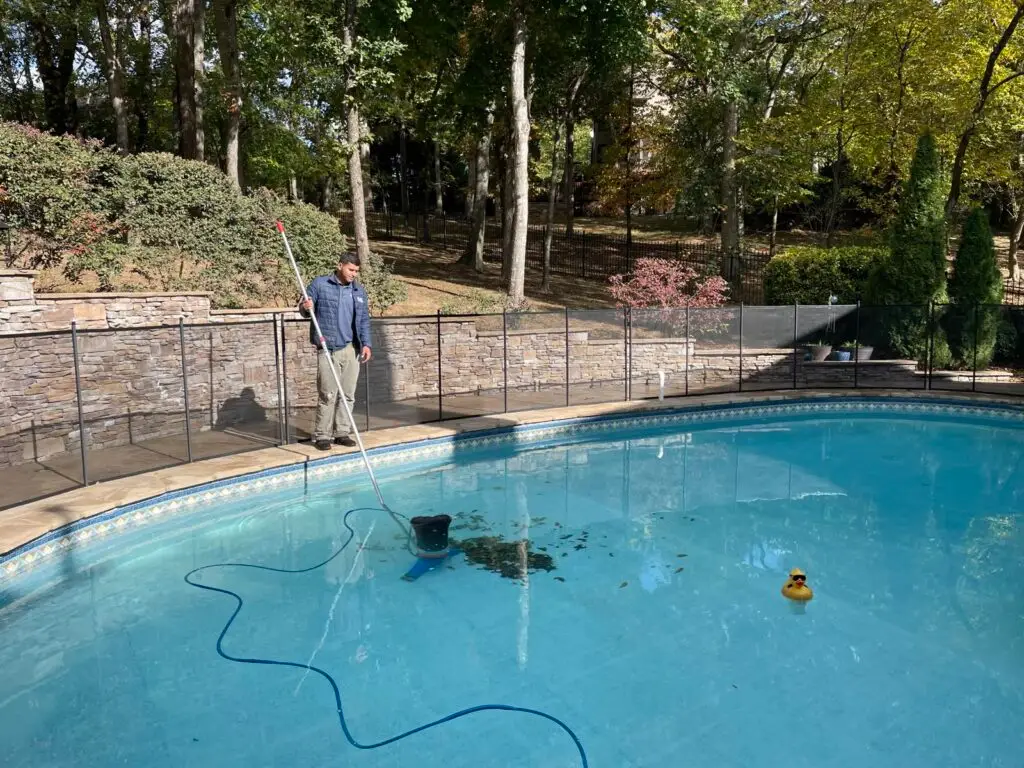
Variable-speed pumps sized to your pool, installed with unions and programmed to save power.
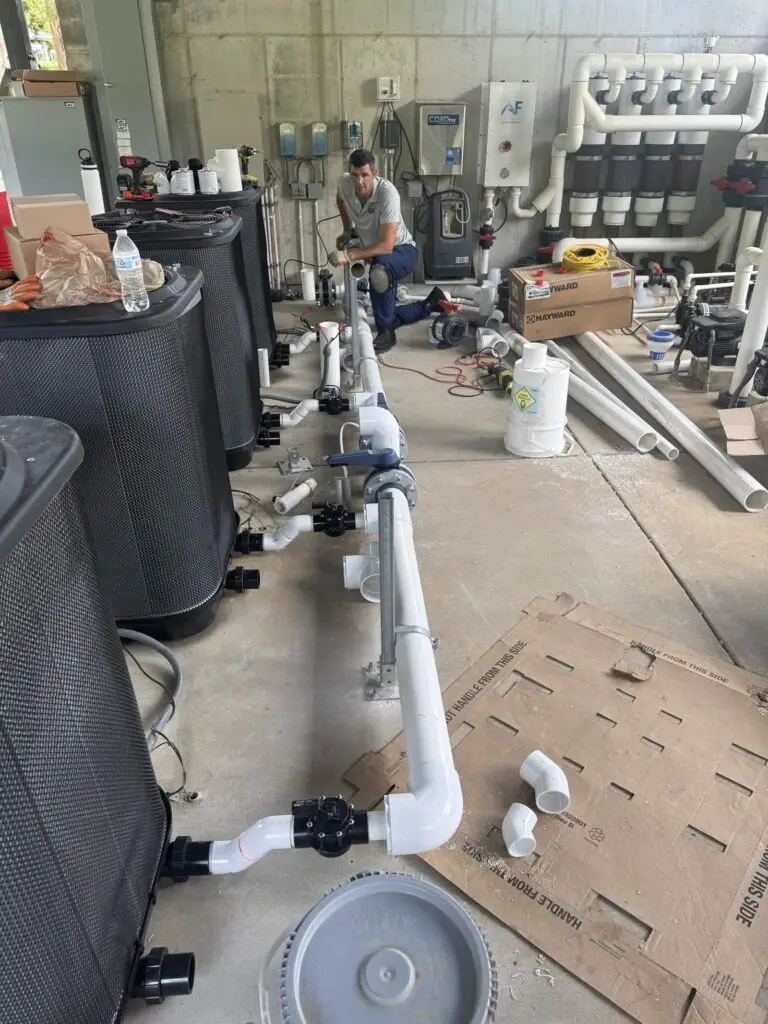
Cartridge, DE and sand filter leaks, torn grids, broken laterals and valve gaskets repaired.
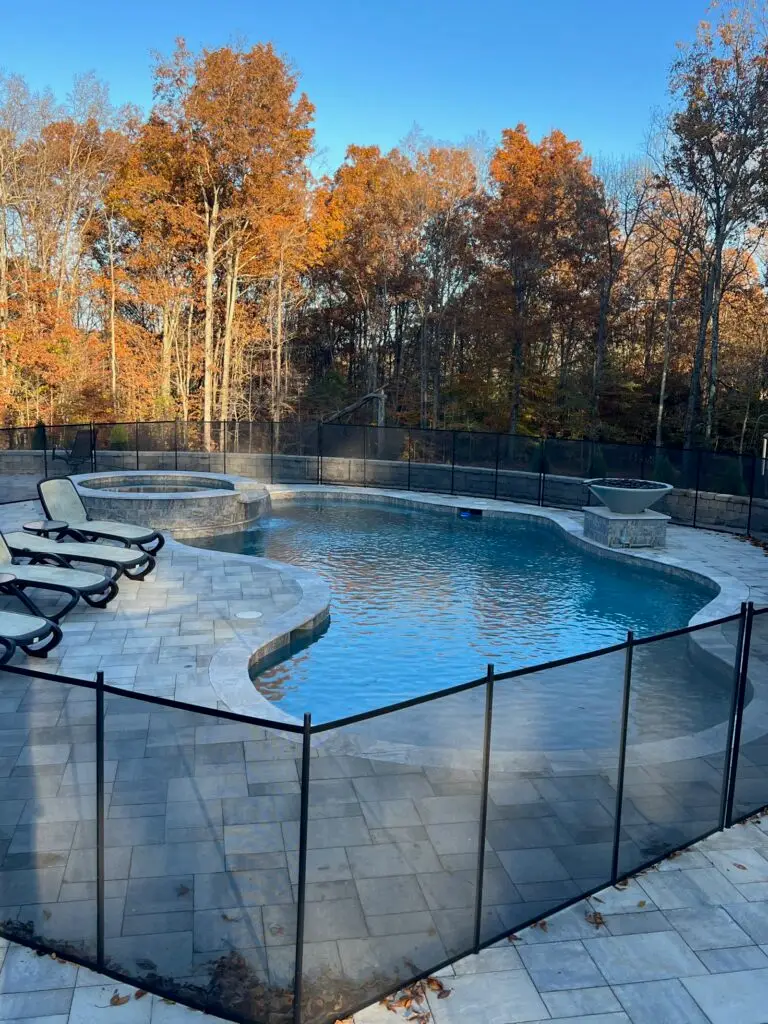
Gas heaters and heat pumps diagnosed: ignition, flow, pressure switch, heat exchanger and error codes.
Free quote
Send us a message for a free, no-pressure pool pump repair quote anywhere in Greater Nashville. Prefer to talk? Call (629) 247-6255.
Call or text
Based in
Murfreesboro, TN 37129. Serving Greater Nashville
Hours
Call for hours & availability
Takes less than a minute. Tell us about your in-ground pool and we'll reach out fast with a free, no-pressure quote.
No spam. Fast callback. Or call (629) 247-6255.