 Nashville
Franklin
Brentwood
Nashville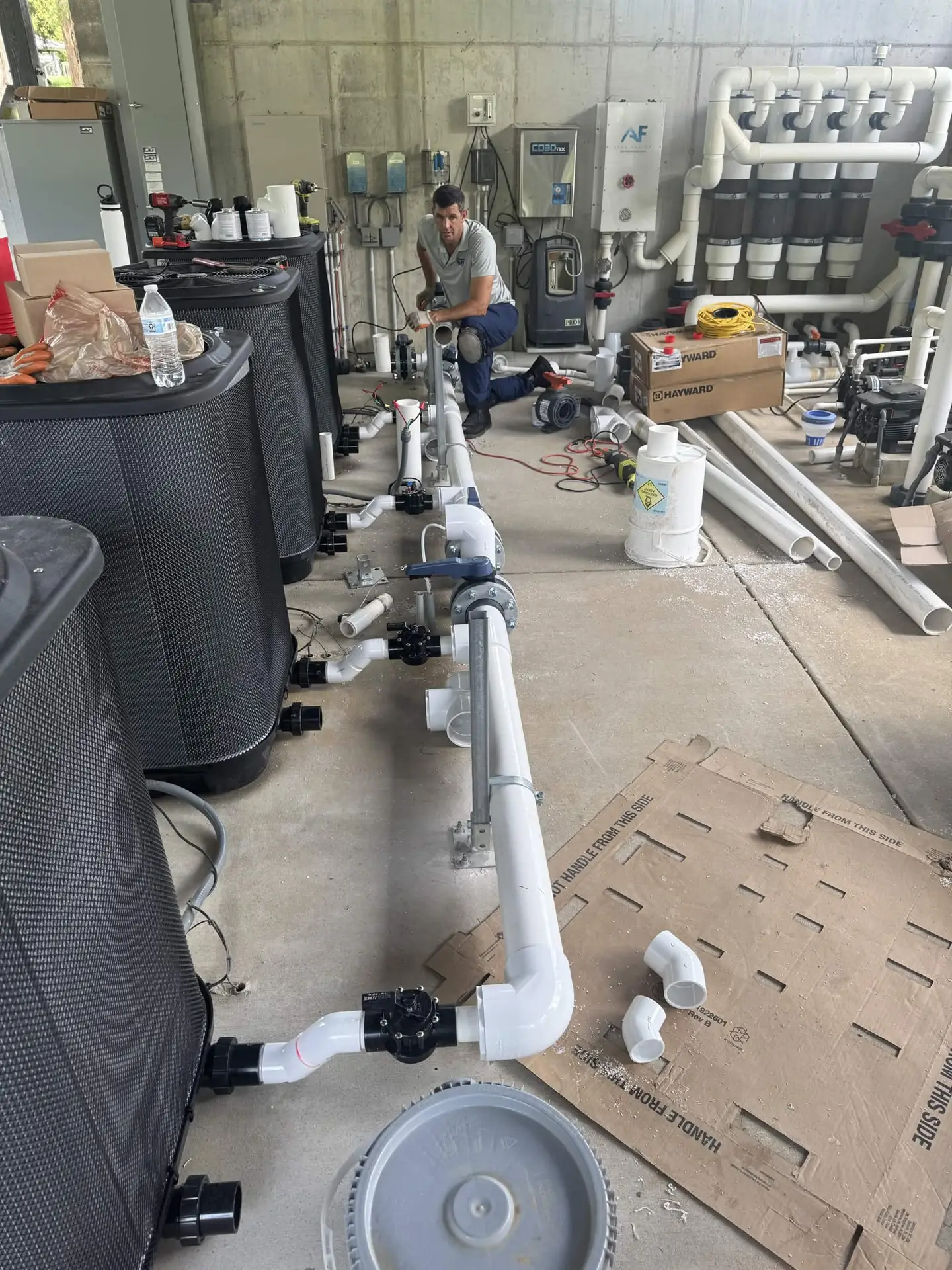
Home / Services / Specialty Services / Pool Automation
Specialty Services
Passion Pool Care installs pool automation in Nashville that puts your pump, heater, lights, valves and spa on one app. We wire it safely, connect your equipment and program it around how you use your pool.
Local
Greater Nashville based
Reliable
Weekly, like clockwork
Since 2013
Over a decade of pool care
Family Owned
Real people, real care
What's included
Without automation, warming the spa means a walk to the equipment pad, turning valves by hand and waiting by the heater. The pump runs on an old timer that nobody has reset since spring. The lights have their own switch somewhere in the garage. Every change takes a trip outside.
A pool automation system brings all of that together. One controller runs the pump speeds, heater, lights, valves and salt system on a schedule you set. From your phone, you can heat the spa on the drive home, change the light colors for guests or check the water temperature from anywhere. It also adds freeze protection for cold Tennessee nights.
Our pool automation installation starts with your equipment pad. We list what you have, decide what the system should control and recommend a Pentair, Hayward, Jandy or Zodiac system that fits. Then we wire it, set the valve actuators, connect it to Wi-Fi and program it with you. Our team installs automation across Davidson, Williamson and Rutherford counties. Below, you'll find what pool automation systems can do and how we set them up safely.
Is it time?
The first three signs point to a pool that is hard to run by hand, and the rest point to features worth adding.
01
Heating the spa means a trip to the pad to turn valves.
02
The pump runs on an old timer that is set wrong for the season.
03
Lights, heater and pump each have their own separate switch.
04
You want to check or control the pool while you are away.
05
A new variable-speed pump or heater is going in soon.
06
You worry about pipes freezing on cold winter nights.
How it works
Here is what an automation system does, what it can control and how we install it safely.
A pool automation system has a few main parts. The controller, or load center, sits near the equipment pad and holds the circuits and relays that turn each piece of equipment on and off. Valve actuators are small motors that turn your valves for you. Sensors read the water and air temperature. A control panel, a wireless remote or a phone app lets you give commands. Together, they replace a row of timers and switches with one system that knows what every piece of equipment is doing.
Most systems can run nearly everything on the pad. That includes the pump and its speeds, the heater or heat pump, pool and spa lights, the salt system and the valves that switch between pool and spa. They can also run water features, a booster pump for a pressure cleaner, yard lighting and blowers. Each item takes a relay or a connection on the controller. When we plan your system, we list everything you have now and anything you may add later, so it all fits.
Automation gets the most from a variable-speed pump. The controller runs the pump at its lowest speed for most of the day, which is the efficient default, and raises it only for jobs that need more flow. When the spa, a waterfall or the cleaner turns on, the pump speeds up on its own, then drops back when the job ends. You can adjust run times by season without touching the pump. In a hot Nashville July, that might mean longer filter hours, and in October it can mean less. ENERGY STAR lists efficient pool pumps if you are comparing models.
For pools with an attached spa, spa mode is often the feature owners love most. One command turns the valves to the spa, raises the pump speed, fires the heater and turns on the spa light. When you are done, another tap returns everything to pool mode. You can start the spa from your phone on the way home, so it is hot when you arrive. Spa water should never be set above 104°F, and the controller holds the temperature you choose.
A heater should only fire when water is flowing through it. On a timer setup, that safety comes from a fireman switch, which shuts the heater off before the pump stops so it can cool down with water still moving. Automation handles this for you. The controller lets the heater run only with the pump on, and it keeps the pump going for a cool-down period after the heater shuts off. Heater controls should also be out of reach of children and guests, and app access can be limited to the people you choose.
With automation, the pool lights become part of the system. You can switch them on at sunset, pick a color or run a slow color show for a party. If you have more than one light, the controller keeps them in sync so they change together. Spa lights, deck lights and yard lighting can join in too. Most owners pair automation with LED lights, which use far less power than old bulbs. We set up your favorite scenes and show you how to change them, so the pool looks its best on summer evenings.
Middle Tennessee winters are mostly mild, but hard freezes still come through. Water that sits still in pipes, a pump or a filter can freeze and crack them. Automation adds freeze protection. An air sensor watches the temperature, and when it drops toward freezing, the controller starts the pump and keeps water moving through every line, including the spa and features. That protection needs power, so a long outage on a freezing night still calls for attention. We set freeze protection to cover every circuit on your pad.
Valve actuators turn your pool and spa valves automatically, so you never have to switch them by hand. We mount them on the valves you have, or replace worn valves while we are there, and set their end points so they open and close fully. Even with automation, safety rules stay the same. Before anyone opens equipment or turns a valve by hand, the pump should be off and air released from the filter. Pressure in a pool system can make fittings separate violently, so we never skip that step.
Many automation systems also run a salt chlorine generator, letting you adjust output by season from the app. Some add pH and ORP sensors that feed acid or chlorine on their own. ORP measures how strong the sanitizer is, but readings drop as stabilizer rises, so stabilized pools need careful setup. Probes need cleaning about once a month, and the probe chamber should sit before the heater, since temperature affects readings. Manual tests still matter, because they confirm the sensors are reading correctly.
The phone app is what most owners use day to day. It needs a solid Wi-Fi signal at the equipment pad, which can be far from the house. If the signal is weak, we talk about a wired connection or a range extender before we finish. If the internet drops, the controller keeps running its schedules on its own, and you can still use the panel at the pad. Once the connection returns, the app catches up. We set up the app on your phone and any others you choose.
The automation systems we install most often around Greater Nashville come from Pentair, Hayward, Jandy and Zodiac, and each one works well. The best choice usually depends on what is already on your pad. Variable-speed pumps, heaters, salt systems and lights often talk most easily with a controller from the same family. Mixing brands can work, but some features may be limited. We look at your equipment and how you want to use the pool, then recommend the system that fits best.
Most pools can be automated without replacing everything. Pumps, heaters and lights can be connected through relays, and most valves can take an actuator. Newer variable-speed pumps, heaters and salt systems can often talk with the controller directly for more control. Older equipment may only switch on and off. We check each piece before we quote, and if something is near the end of its life, we tell you, so you can decide whether to replace it as part of the project.
An automation controller is part of the pool's electrical system, so it has to be installed with care. Pool equipment falls under Article 680 of the National Electrical Code, which covers grounding, bonding and GFCI protection. Bonding ties metal equipment to the same electrical potential, so current has no reason to flow through a swimmer. We connect equipment to the controller and check bonding at the pad. New circuits or panel work go to a licensed electrician, and we coordinate the plan so the job stays on track.
Automation systems come in different sizes, mostly set by how many relays and valve actuators they support. A small pool with a pump, heater and light needs less than a pool with a spa, several lights, water features and a cleaner. We count every circuit you have now and leave room for what you may add, such as a heater, extra lights or a salt system. Choosing a slightly larger system up front costs less than replacing an undersized one later.
Automation often pays back through energy savings. The pump runs at low speed for most of the day instead of full speed. The heater fires only when you want it, and it shuts off on schedule instead of running all weekend. LED lights switch off at a set time. Many owners also find they run the pool more carefully, because the app makes it easy to see what is on. Over a long Nashville swim season, those small changes add up on the power and gas bills. We can point out where the biggest savings are on your pad before you choose a system.
An automation system needs a little care. Software updates add features and fix problems, and we install them when needed. Temperature sensors and valve actuators should be checked from time to time, and chemical probes need regular cleaning. If a relay or actuator fails, the system shows it, which makes repairs faster. If you are on our weekly route, we keep an eye on the system during each visit and tell you if anything looks off.
How it works
1
Call (629) 247-6255 or send the form with a photo of your equipment and what you want to control.
2
We check your equipment and wiring, recommend a system that fits and give you a free, no-pressure quote.
3
We install the controller and actuators, set your schedules and freeze protection and set up the app with you.
FAQ
Still have a question? Call or text (629) 247-6255.
It depends on the system size, how much equipment it controls and whether new wiring or valve actuators are needed. We check your pad first and give you a free, no-obligation quote. Call (629) 247-6255 to set it up.
It is a controller that runs your pool equipment from one place. The pump, heater, lights, valves and salt system can all be scheduled and controlled from a panel, a remote or a phone app.
Relays in the controller turn equipment on and off, and actuators turn the valves. Sensors read the temperature. You set schedules and give commands, and the controller runs everything in the right order.
Pentair, Hayward, Jandy and Zodiac all make good systems. The best one for you usually matches the equipment already on your pad, so the pump, heater and salt system work together smoothly.
Yes. The controller can fire the heater on a schedule or from your phone, and it only lets the heater run with the pump on. That keeps the heater safe and the water warm when you want it.
Start with what is on your pad. If your pump, heater and salt system are one brand, a controller from the same family usually gives the most features. We help you compare before you decide.
Often, yes. Basic on and off control works across brands through relays. Advanced features, like setting variable-speed pump speeds, usually work best when the pump and controller are the same brand.
The pump and its speeds, heater, pool and spa lights, valves, salt system, water features, a cleaner booster pump and yard lights. Each item uses a relay or connection on the controller.
Count each piece of equipment and each valve that needs to move for spa mode or features, then add a spare or two for later. We count everything on your pad when we plan the system.
The controller keeps running its schedules and freeze protection on its own, and the panel at the pad still works. You lose app control until the connection returns.
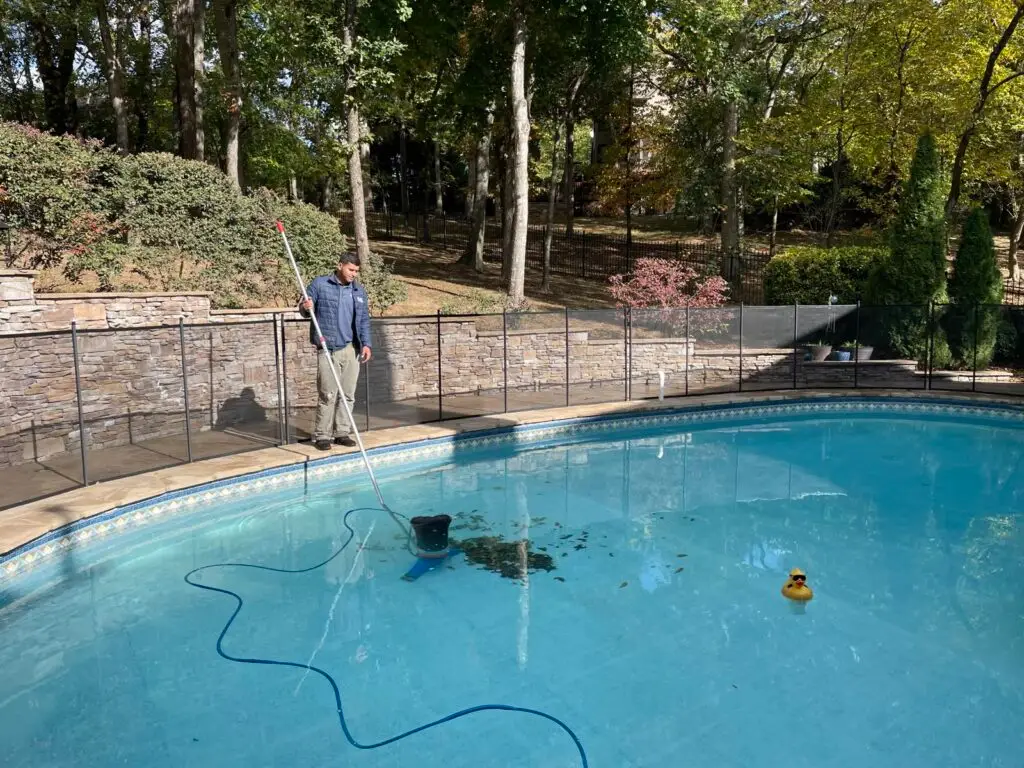
Variable-speed pumps sized to your pool, installed with unions and programmed to save power.
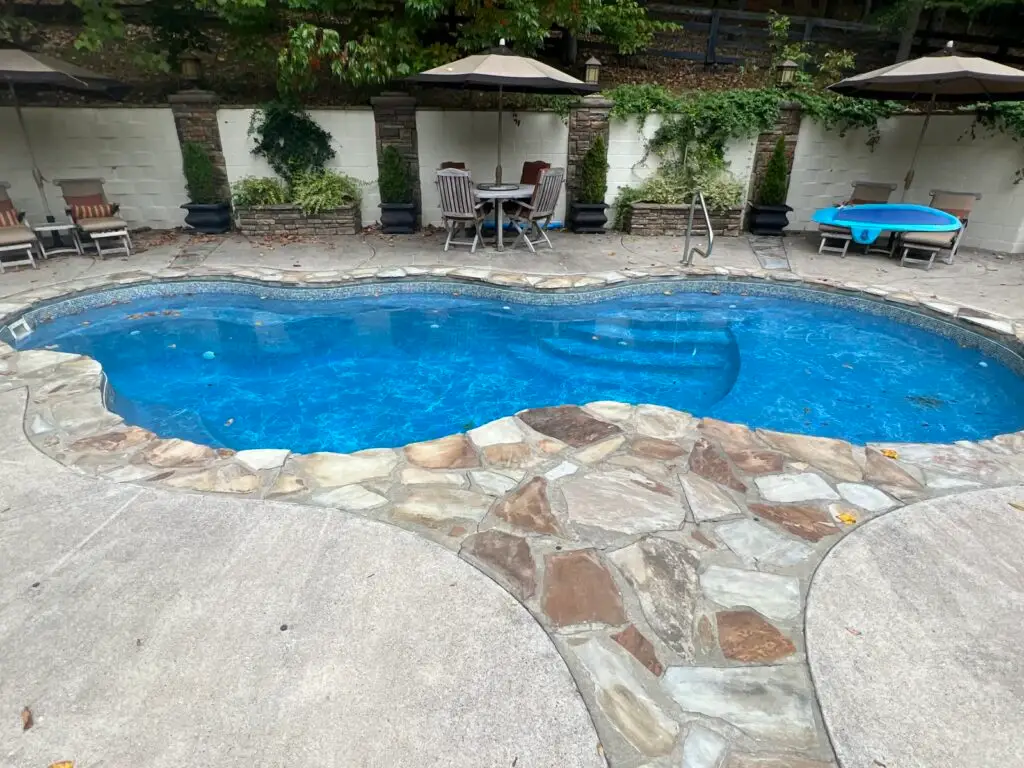
Chlorine to salt conversions and salt cell service for steadier chlorine and softer water.
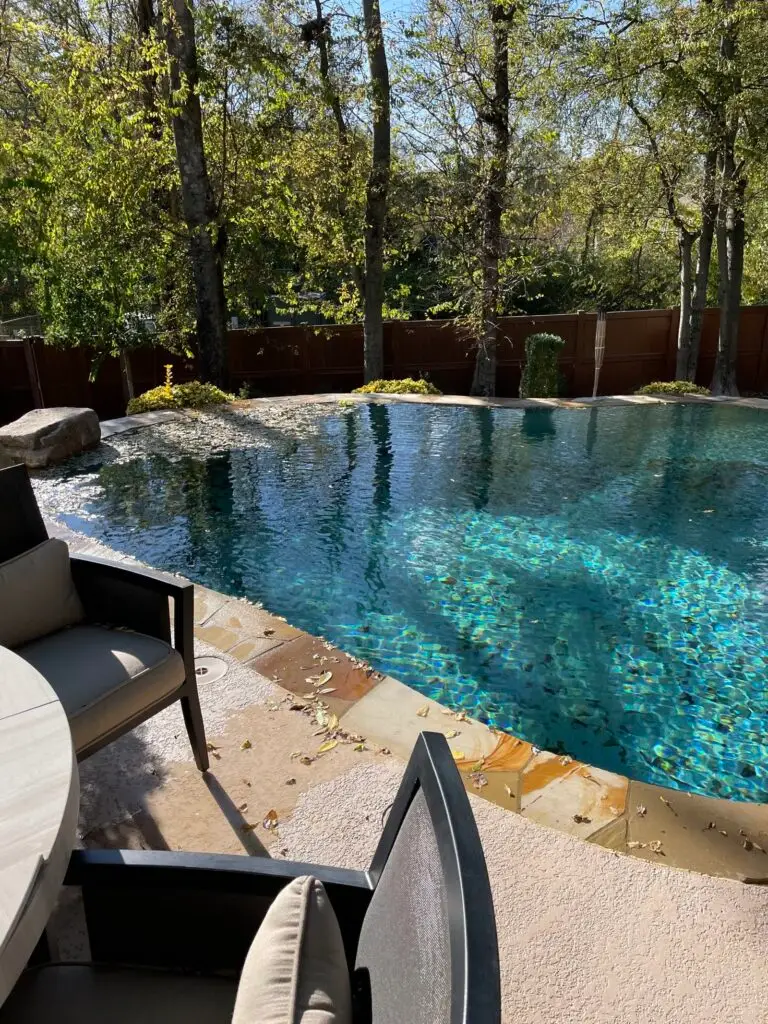
LED pool lights fitted with the circuit, GFCI and fixture seal checked and wet tested.
Free quote
Tell us what equipment is on your pad and what you want to control, and we will give you a free, no-pressure quote. Prefer to talk? Call (629) 247-6255.
Call or text
Based in
Murfreesboro, TN 37129. Serving Greater Nashville
Hours
Call for hours & availability
Takes less than a minute. Tell us about your in-ground pool and we'll reach out fast with a free, no-pressure quote.
No spam. Fast callback. Or call (629) 247-6255.