 Nashville
Franklin
Brentwood
Nashville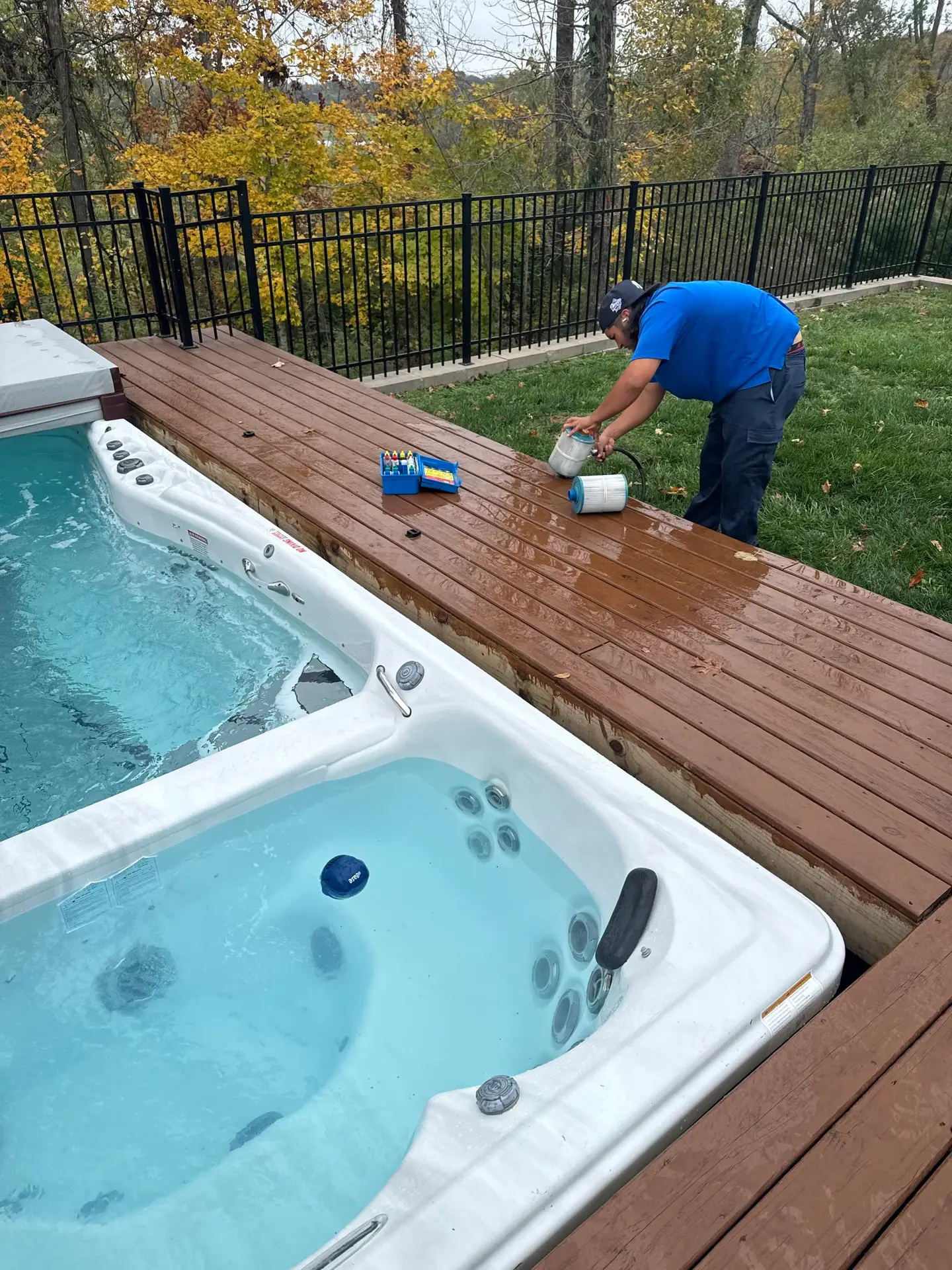
Home / Services / Pool Cleaning / Spa Cleaning
Pool Cleaning
Passion Pool Care handles spa cleaning in Nashville for in-ground and attached spas. We test and balance your spa on its own, flush the jet lines, drain and scrub it when it is due and refill it balanced for hot water.
Local
Greater Nashville based
Reliable
Weekly, like clockwork
Since 2013
Over a decade of pool care
Family Owned
Real people, real care
What's included
Spa complaints tend to sound the same. It foams as soon as the jets come on, it smells like a locker room, the water turns cloudy two days after it was clear, or someone climbs out with an itchy rash. Often the pool gets tested every week while the spa beside it never gets its own test.
A spa punishes neglect faster than any pool. It holds a few hundred gallons of water at 98 to 104 degrees, so a few people in the spa add as much load as a crowd in the pool. Heat burns through sanitizer, and the biofilm behind hot tub rash hides inside the jet plumbing, where shock never reaches. Our hot tub cleaning service treats the spa as its own body of water.
We test and balance sanitizer, pH, alkalinity and calcium for hot water. On a drain visit, we flush the jet lines first, drain the spa, scrub the shell and clean the waterline. Then we clean the filter, wipe down the cover and refill, balance and reheat the spa. We serve spas across Davidson, Williamson and Rutherford counties. Below, you'll find the signs a spa is due, the chemistry behind hot water and how often Nashville spas need draining.
Is it time?
Most of these signs mean the spa needs a line flush, a drain or both.
01
Your spa foams every time the jets come on.
02
A chlorine or musty smell comes back soon after shock.
03
Spa water turns cloudy within a day or two of balancing.
04
Someone gets an itchy rash or red bumps after a soak.
05
The seats feel slimy or a ring forms at the waterline.
06
Spa chemistry will not hold no matter what you add.
Spa know-how
Here is why hot water needs its own routine, how often a spa should be drained and what happens on a full spa cleaning visit.
A backyard pool holds thousands of gallons, while the spa beside it holds a few hundred. The same four people bring the same sweat, sunscreen and lotion into both, but in the spa that load lands in a tiny fraction of the water. Heat makes it worse, because people sweat more and the jets scrub oils off skin. Higher temperatures also speed up the loss of sanitizer and help bacteria grow. A spa that tests fine before a soak can test low an hour later. That is why spa water needs more sanitizer than a pool and more frequent testing.
Hot water changes the targets. Free chlorine in a spa is held at 3 to 5 ppm and never below 2 ppm, higher than in a pool. Bromine, the other common spa sanitizer, works best at 4 to 6 ppm. pH belongs at 7.4 to 7.6, but spa jets and air blowers drive carbon dioxide out of the water, which pushes pH up and pulls alkalinity down. Calcium hardness runs lower than a pool, at 150 to 250 ppm, because calcium falls out as scale faster in hot water. The small volume cuts both ways. A little extra chemical has a big effect, so we dose carefully.
Both work, and each has strengths. Bromine stays effective at the higher pH that spas tend to drift toward, which is why so many hot tubs use it. Its byproducts are also less irritating to eyes and skin than the chloramines that chlorine forms. Chlorine is common in spas attached to a chlorine pool, because the water mixes when the spa spills over. More is not better with either one. Very high chlorine is no more effective against most germs, and it bleaches swimsuits and hair. We match the sanitizer to your setup and keep it in range.
The itchy rash people get from a spa is often hot tub folliculitis, caused by Pseudomonas bacteria that thrive in warm water. Those bacteria shelter in biofilm, a slimy layer that forms inside the jet plumbing and air lines. Biofilm can protect bacteria from far more sanitizer than it takes to kill them in open water, which is how a spa can test fine and still cause a rash. The fix is a line flush before the drain. A cleaner circulates through the jets and breaks the biofilm loose, then it drains away with the old water. A rash that lingers should be seen by a doctor.
One common rule for spa water life is to divide the spa's gallons by three, then by the number of people who use it each day. The answer is roughly how many days the water lasts. A 400 gallon spa used by two people a day gets about 66 days, and the same spa used by four gets about 33. Another guide is total dissolved solids. When they climb about 1,500 ppm above the fresh fill water, it is time to drain. Foam, odor or cloudy water that will not clear are signs too, whatever the calendar says.
Foam is the spa telling you the water is overloaded. Oils, lotions and other contaminants build up faster than the sanitizer and filter can remove them, and the jets whip them into suds. Some algicides foam as well. A defoamer flattens the bubbles, but it does nothing about the cause, and foam from a buildup of contaminants is a health concern. As spa water ages, dissolved solids rise and the sanitizer struggles, which shows up as cloudy water and a stale smell. When chemistry stops holding, the right answer is usually a line flush, a drain and a fresh start.
A full spa cleaning follows a set order. First, we add a line cleaner and run the jets to purge biofilm from the plumbing. Then we drain the spa and scrub the shell, seats and footwell, paying close attention to the waterline ring. The filter comes out for a full cleaning, and the cover gets wiped down inside and out, because a dirty cover drips grime right back in. Finally, we refill, balance the water for heat and bring the spa back up to temperature. You get a clean spa with fresh water and chemistry that holds.
Spa filters work the same way pool filters do, but they handle a heavier load for their size. Body oils and lotions coat cartridge pleats quickly, so a spa filter needs cleaning more often than you might expect. We degrease the cartridge first and use a mild acid cleaner only if minerals remain, because acid first can set the oils into the fabric. On an attached spa, the pool filter takes the spa's oils along with the pool's debris. A spare cartridge makes swaps easy, and a worn one with flattened or torn pleats should be replaced.
Many Nashville backyards have an in-ground spa attached to the pool. It shares the pump, filter and heater, and water spills over into the pool in pool mode. That does not make it pool water. In spa mode, the same few hundred gallons circulate on their own, heat up and take the full bather load. So we test the spa in spa mode, with its own targets. After a busy weekend, the spa can be out of balance while the pool reads perfectly. Attached spas also share the pool's chemistry when the valves change, which is why both need watching.
An empty in-ground spa has nothing pushing back against the ground around it. In areas with a high water table, groundwater can press on an empty shell and damage it. Middle Tennessee's clay soils can stay saturated for days after heavy spring rain, which raises that risk. Before we drain an in-ground spa, we check that it is protected by a hydrostatic relief device and look at recent weather. We also keep the spa empty only as long as it takes to clean it. Portable hot tubs do not carry this risk, but in-ground spas deserve the extra care.
A spa works its equipment harder than a pool does. The heater runs often, the jet pump runs at high speed and the air blower pushes air through lines that can trap moisture. On each cleaning, we check the heater, blower, jets and controls on Pentair, Hayward, Jandy, Zodiac and other major brands. Water chemistry matters here, too. Hot water that is high in calcium or pH can scale heater elements, while corrosive water can damage the heater and metal parts. If we find a problem, we tell you plainly and quote the repair before any work starts.
Most home spas run between 98 and 104 degrees, and 104 is the accepted upper limit. Some owners nudge the heater higher on a cold January night, but hotter water raises the risk of overheating and speeds up sanitizer loss. Long soaks at top temperature are hard on young children, older adults and anyone who is pregnant or has a heart condition. A shorter soak at a comfortable temperature is safer and easier on the water. We check that the heater and controls hold the setting you choose and that nothing runs hotter than it should.
A few habits stretch the time between drains. Rinsing off before getting in keeps lotion, sweat and makeup out of the water. Keeping the cover closed when the spa is not in use keeps leaves, pollen and rain out and holds in heat. Testing before a busy evening, rather than after, gives the sanitizer a head start. After a party, a dose of sanitizer and a longer filter run help the water recover. Even with good habits, every spa still needs its lines purged and its water replaced on schedule.
Spa use in Middle Tennessee peaks when the pool season winds down. Cool fall evenings in Franklin and Brentwood and crisp winter nights bring the spa into regular use, and that is when sanitizer demand climbs. In summer, many families heat the spa less but still run the jets with the pool. Spring pollen settles on the water and coats the filter, so an early-season cleaning sets up the year. When a hard freeze is in the forecast, the spa and its equipment need freeze protection, whether it is heated or not.
How it works
1
Call (629) 247-6255 or send the form with the spa size, how often it gets used and whether it is attached to the pool.
2
We purge the jet lines, drain the spa, scrub the shell and waterline and clean the filter and cover.
3
We refill the spa, balance it for hot water and bring it back up to temperature.
FAQ
Still have a question? Call or text (629) 247-6255.
Divide the spa's gallons by three, then by the number of people who use it each day. That gives roughly how many days the water lasts. For most home spas, that works out to a drain and clean every two to four months.
More often than pool filters, because oils load them fast. Clean the cartridge when water flow drops or pressure climbs, and always at each drain. Degrease it first and use acid only if minerals remain.
No. Spas are harder to keep clean, because they have more people per gallon, hot water that burns off sanitizer and jets that drive up pH. Health studies have found spas are less likely than pools to hold proper sanitizer levels.
It depends on the spa's size, how it is plumbed and how long since its last drain, so we give a free, no-obligation quote. Call (629) 247-6255 to set it up.
It needs testing and balancing every week, or more often with heavy use. A full drain and scrub is needed every few months, depending on how many people use it.
Foam usually means the water is overloaded with oils, lotions and other contaminants that the sanitizer and filter cannot keep up with. Some algicides foam too. A defoamer hides it, but a line flush and drain fix it.
Usually hot tub folliculitis, caused by Pseudomonas bacteria in warm water with too little sanitizer. The bacteria hide in biofilm inside the jet lines. If a rash does not clear up in a few days, see a doctor.
Stop using the spa, then purge the jet lines, drain it, clean the shell and filter and refill with balanced water. Shocking the old water alone will not reach the biofilm in the plumbing.
Yes. A line cleaner run through the jets before the drain breaks loose the biofilm inside the plumbing, so it leaves with the old water instead of seeding the fresh fill.
Yes. It shares the pool's equipment, but in spa mode it runs as a small, hot body of water with its own load. We test it in spa mode and drain and clean it on its own schedule.
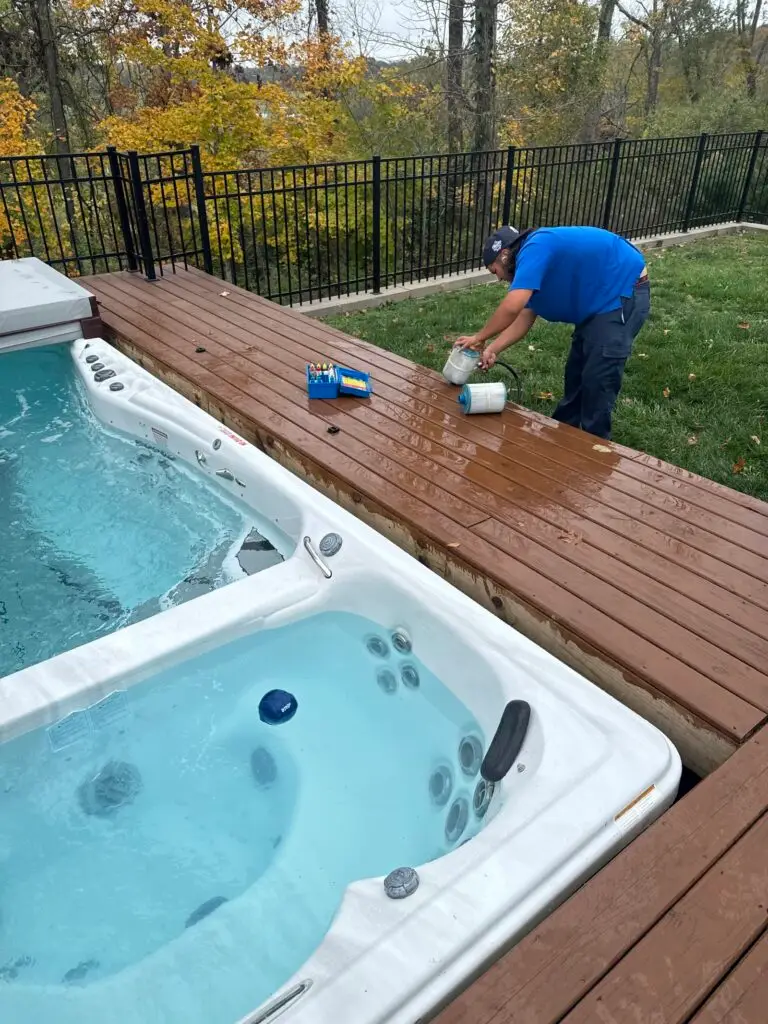
Spa and hot tub jets, valves, blowers, controls, leaks, pumps and heaters repaired.
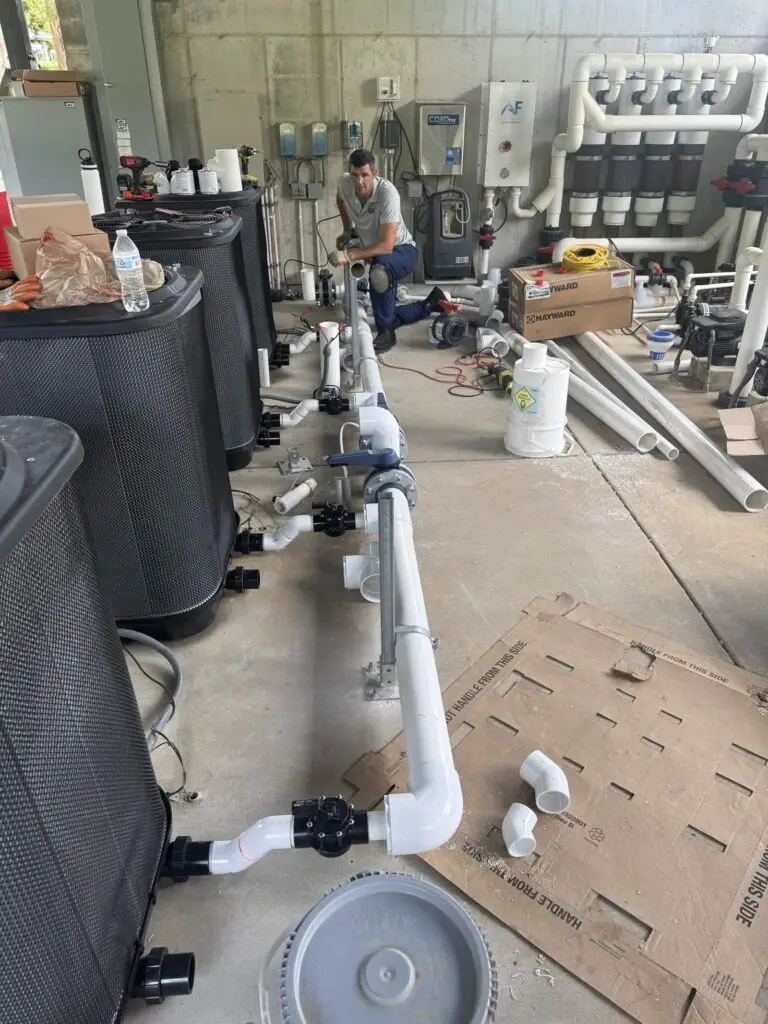
Cartridge, DE and sand filters opened, cleaned and checked when the pressure gauge says it is time.
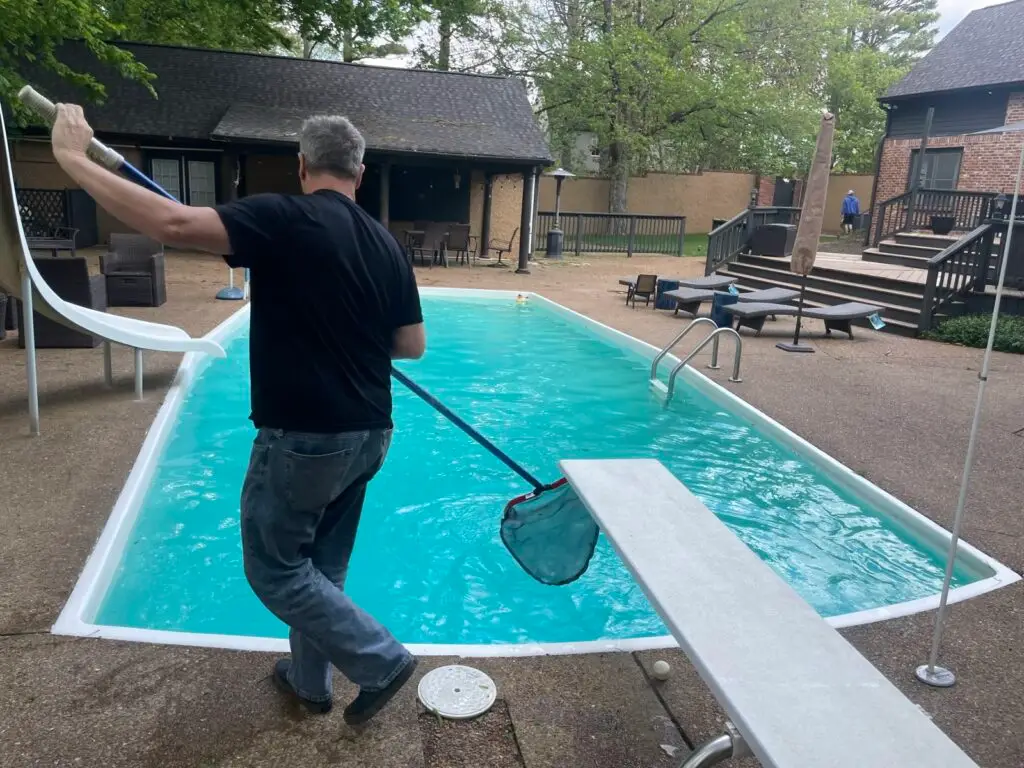
A set day every week, with the pool and spa tested, balanced and brushed.
Free quote
Tell us the spa size, whether it is attached to the pool and how often it gets used, and we will give you a free, no-pressure quote. Prefer to talk? Call (629) 247-6255.
Call or text
Based in
Murfreesboro, TN 37129. Serving Greater Nashville
Hours
Call for hours & availability
Takes less than a minute. Tell us about your in-ground pool and we'll reach out fast with a free, no-pressure quote.
No spam. Fast callback. Or call (629) 247-6255.