 Nashville
Franklin
Brentwood
Nashville
Home / Services / Equipment Installations / Pool Light Installation
Equipment Installations
Passion Pool Care handles pool light replacement in Nashville with LED fixtures fitted to your existing niche. We check the GFCI, bonding and lens seal and wet test every light before we leave.
Local
Greater Nashville based
Reliable
Weekly, like clockwork
Since 2013
Over a decade of pool care
Family Owned
Real people, real care
What's included
Summer evenings are a big part of pool life in Middle Tennessee. After sunset, the pool becomes the best spot in the yard. A good light makes night swimming safer, because you can see the floor, the steps and anyone in the water. When it fails, the pool goes dark for the best hours of the day.
Most lights we replace are old incandescent or halogen fixtures. An LED fixture uses far less power, lasts much longer and can offer white light or a range of colors. Because the light sits underwater and runs on household power, it also has to be sealed, bonded and protected by a working GFCI. Of all the equipment around a pool, the underwater light deserves the most care.
Our pool light installation starts with your niche. We identify the fixture and voltage you have, then recommend a Pentair, Hayward, Jandy or Zodiac LED that fits. We lift the old fixture out without draining the pool, fit the new one with a fresh lens gasket and check the GFCI and bonding. Our team replaces lights across Davidson, Williamson and Rutherford counties. Below, you'll find how lights are built and what a proper LED pool light replacement includes.
Is it time?
Some light problems are a tripped switch, but these signs usually point to a new fixture.
01
The pool light will not turn on, even with power at the switch.
02
The light trips the GFCI or breaker when you switch it on.
03
You can see water, fog or rust inside the light's lens.
04
The light flickers, dims or shows the wrong colors.
05
The fixture has come loose from its niche in the pool wall.
06
An old incandescent or halogen light keeps burning out.
Pool lighting
Here is how pool lights are built, what keeps them safe and what a proper replacement includes.
Older pools around Nashville often still have incandescent or halogen lights. They run hot, use a lot of power and burn out often. LED fixtures have taken over for good reasons. They use a fraction of the power, last many times longer and run much cooler. Many offer both bright white light and a choice of colors, with preset shows for parties. Because an LED rarely needs changing, you also deal with the light far less often. For most owners, an LED fixture is the clear choice when the old light fails.
Most home pool lights are wet niche lights. The fixture sits in a metal or plastic housing, called a niche, built into the pool wall, and water surrounds it. A dry niche light sits behind a waterproof window in the wall and is serviced from outside the pool. Dry niche lights are more common in commercial pools. Knowing which type you have shapes the whole job. For wet niche lights, the fixture comes out from inside the pool. We confirm your type before we quote, so the right parts arrive on the first visit.
A wet niche light is built to be changed without draining the water. The fixture is held in its niche by a single screw at the top, with extra cord coiled behind it. With the power off at the breaker, we remove that screw and lift the fixture up onto the deck. There, we open it or swap it for a new one. Then the cord is coiled back into the niche and the fixture is set and secured. If the old cord is too short or stuck, the job takes longer, and we explain why before going further.
Pool lights come in two main voltages. Many older lights run on 120 volts straight from the house. Others run on 12 volts through a transformer that steps the power down. A new light has to match the voltage of the circuit feeding it, so we confirm it before ordering. A 12-volt system adds a layer of safety, because the light itself runs on low voltage. Either way, the circuit needs proper protection. Under the National Electrical Code, underwater lights running above 15 volts must be on a GFCI-protected circuit.
A GFCI watches the current going out and coming back on a circuit. If about five milliamps go missing, which can mean current is leaking through water or a person, it cuts the power in a fraction of a second. That is why it is the most important safety device on a pool light. Many older pools were built before GFCI protection on light circuits was common. The Consumer Product Safety Commission has warned about this risk for years. We press the test button on every visit and tell you if your light lacks protection.
Grounding gives fault current a safe path back to the earth. Bonding ties the metal parts around the pool to the same electrical potential, so current has no reason to flow through a swimmer. Under the National Electrical Code, underwater lights are part of the bonding system, along with ladders, handrails and pump motors. Junction boxes and transformer enclosures also have to be grounded. When we replace a light, we check that the niche and its bonding connection are in good shape. Any wiring fixes outside the fixture itself go to a licensed electrician.
Every wet niche light has a cord that runs from the fixture, through a conduit, to a junction box or transformer near the pool. The cord runs in one piece, with no splices along the way. New fixtures come with their own cord, so a full replacement means pulling the old cord out and feeding the new one through. Most of the time this goes smoothly. Now and then, an old conduit is crushed or clogged with debris, which makes it harder. We check the run before we quote and tell you if we expect trouble.
Pool lights are not one size fits all. Each brand builds its fixtures to fit its own niches, and older niches can be a different size from current models. In many cases, a new LED from the same brand drops right in. In others, an adapter lets a new fixture fit an older or different-brand niche. Small spa lights need their own smaller fixtures. We identify your niche brand and size, often from the old fixture itself, and choose a light that fits securely with no gaps between the fixture and the wall.
Water is the enemy inside a pool light. The lens is sealed to the fixture body with a rubber gasket, and that gasket hardens and cracks with age. When water gets past it, the light can short out, trip the GFCI or rust from the inside. A fogged or wet lens is a sign the seal has failed. Every time a fixture is opened, it should get a new gasket and a careful reseal. We also make sure the fixture sits firmly in its niche, held by its screw, with no loose edges.
Pool lights are made to be cooled by the water around them. Running one on the deck, even for a moment, can overheat the fixture, crack the lens or damage the LED. That is why we only test lights once they are back in their niches and under water. If you ever lower the water level below a light, keep it switched off. This is also worth remembering after a heavy storm or a partial drain. A light that was run dry may look fine at first and then fail weeks later.
Color LED lights have become one of the most popular upgrades around Nashville. You can pick a single color or a slow color show, and match your pool, spa and water features so they change together. Many lights can be controlled from a wall switch, a remote or an automation system. With automation, you can set the lights on a schedule or change them from your phone. When you have more than one light, we set them up to stay in sync. We show you how to choose colors before we leave.
Water chemistry affects pool lights too. Low pH makes water corrosive, and it can slowly eat away at metal parts such as the fixture's face ring and screws. Very high dissolved solids, combined with poor bonding, can cause galvanic corrosion, which shows up as staining near metal fittings. Keeping pH and alkalinity in range protects the new light along with everything else in the pool. If you are on our weekly route, we test and balance the water on every visit. If not, we show you the readings to watch.
The lights we install most often in Greater Nashville pools come from Pentair, Hayward, Jandy and Zodiac, and we work with all major brands. Matching the light to your niche brand often makes for the cleanest fit. Matching it to your automation brand makes the colors and controls easier to use. Each manufacturer sets its own rules for installation, cord length and testing, and we follow them. Choosing a common model also means gaskets and parts will be easy to find for years.
If you close your pool for winter, the light needs some thought. When the water is lowered below a wet niche light, the fixture can be lifted out of its niche and set on the pool floor, where it stays under water through the winter. The light also stays switched off until the pool is refilled in spring. Most Middle Tennessee winters are mild, but a dry, exposed fixture can crack or take in water. We handle the light as part of a closing and check its seal when the pool opens.
Once the new fixture is set in its niche and under water, we turn the power on and test it. We check that the light turns on and runs steadily, and that any color settings work. We press the GFCI test button to make sure it trips and resets properly. Then we look over the lens and seal one more time. If anything looks off, we fix it before we go. Before we leave, we show you how to switch the light and change colors. You get a working light and a clear picture of how the circuit is protected.
How it works
1
Call (629) 247-6255 or send the form with what your light is doing and a photo of it, if you can.
2
We identify your niche, voltage and GFCI, recommend a light that fits and give you a free, no-pressure quote.
3
We fit the new light with a fresh gasket, test it under water and check the GFCI before we leave.
FAQ
Still have a question? Call or text (629) 247-6255.
It depends on the light type and on whether the cord pulls through easily or the niche needs an adapter. We check your light first and give you a free, no-obligation quote. Call (629) 247-6255 to set it up.
Yes. A wet niche light has extra cord coiled behind it, so with the power off the fixture lifts out of its niche and up to the deck. The pool stays full the whole time.
Common causes are a burned-out bulb or LED, a tripped GFCI or breaker, a bad switch or timer, or water inside the fixture. If the light trips the GFCI, leave it off and call (629) 247-6255.
LED pool lights last many times longer than incandescent or halogen bulbs, which burn out far more often. A good seal and balanced water help any fixture last longer.
Yes, when they are sealed, bonded and on a working GFCI. A GFCI cuts power when about five milliamps leak away. Older pools may lack that protection, so it is worth having the circuit checked.
Usually water has gotten into the fixture, the cord is damaged or the junction box is wet. The GFCI is doing its job, so leave the light off and have it checked before using it again.
In most pools, yes. LED fixtures are made to fit many existing niches, and adapters cover many older ones. The new light must match your circuit's voltage, 12 or 120 volts.
An adapter often solves it, letting a new fixture fit an older or different-brand niche. We identify your niche before ordering, so the light fits securely on the first visit.
On some fixtures, yes. Many LED lights come with a sealed cord, so a damaged cord means a new fixture. Either way, the cord must run in one piece from the light to the junction box.
One that fits your niche, matches your voltage and works with any automation you have. Then choose white or color. We recommend a model that fits all three before we quote.
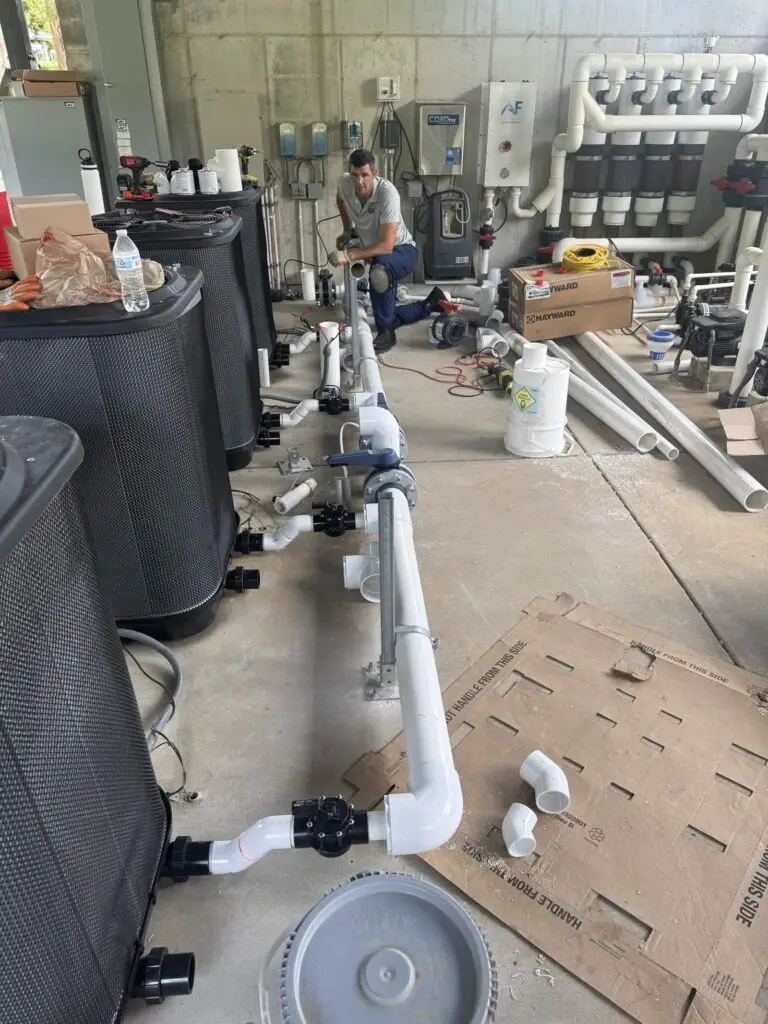
Pump, heater, valves and lights on one app, installed, programmed and repaired.
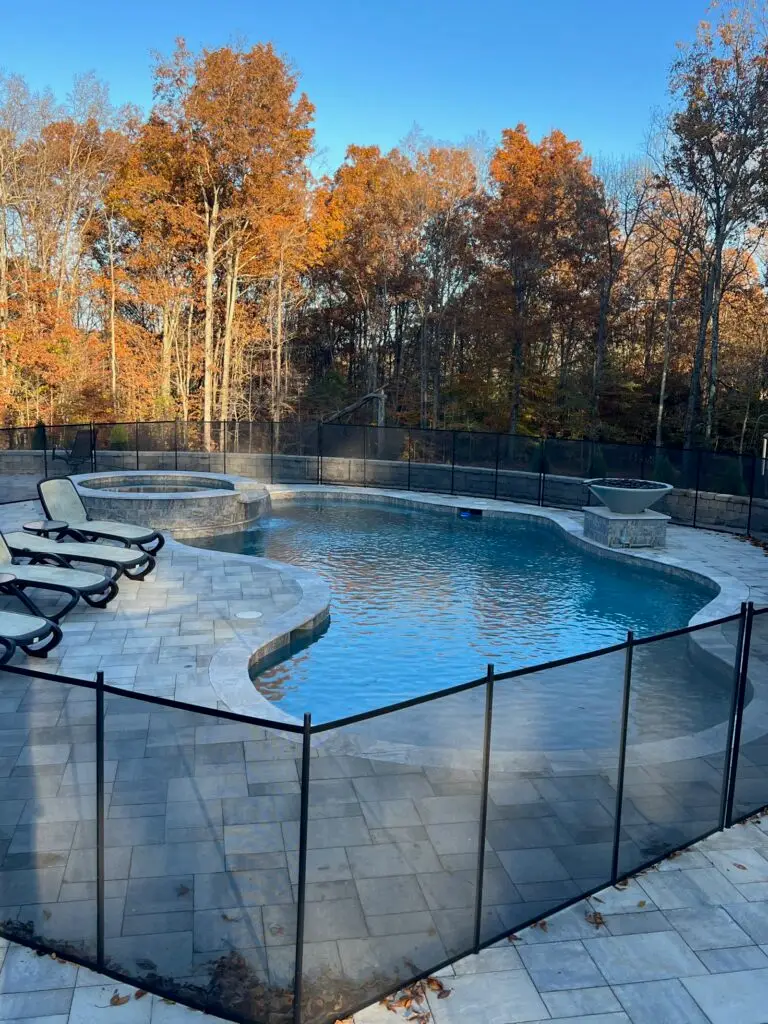
Gas heaters and heat pumps sized to your pool and spa, installed and fire tested.
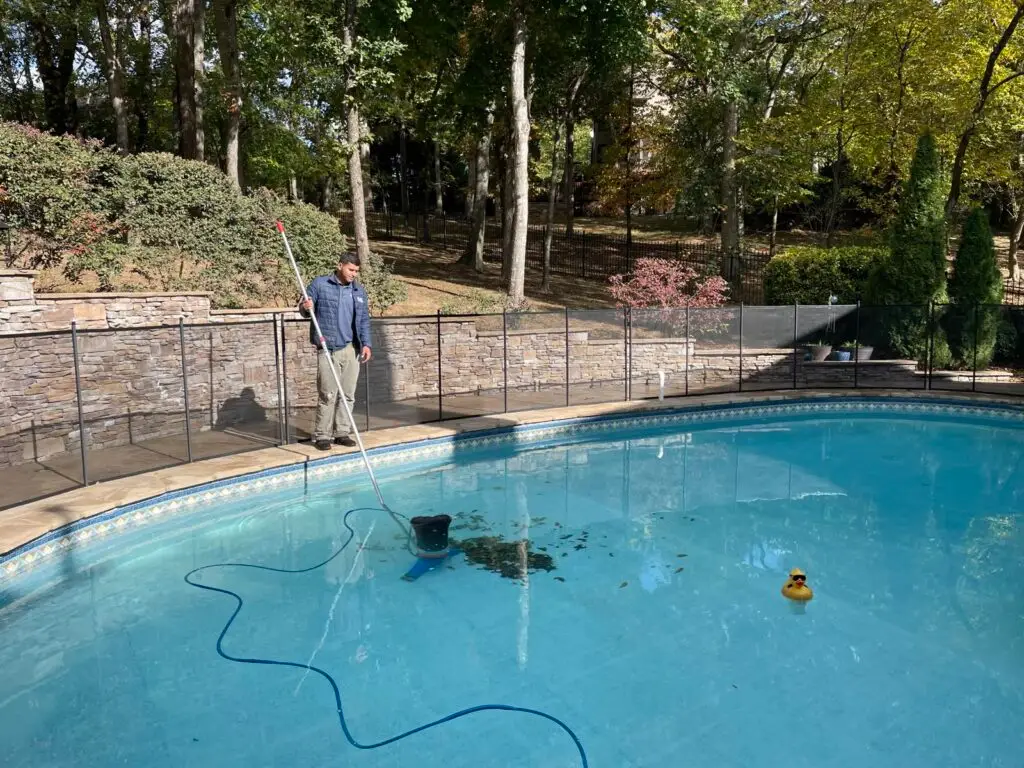
Variable-speed pumps sized to your pool, installed with unions and programmed to save power.
Free quote
Tell us about your pool and your current light, and we will find the right replacement and give you a free, no-pressure quote. Prefer to talk? Call (629) 247-6255.
Call or text
Based in
Murfreesboro, TN 37129. Serving Greater Nashville
Hours
Call for hours & availability
Takes less than a minute. Tell us about your in-ground pool and we'll reach out fast with a free, no-pressure quote.
No spam. Fast callback. Or call (629) 247-6255.