 Nashville
Franklin
Brentwood
Nashville
Home / Services / Specialty Services / Pool Acid Wash
Specialty Services
Passion Pool Care provides a pool acid wash in Nashville for plaster that brushing and chemicals can no longer clean. We drain the pool safely, wash it in sections, neutralize it and refill with balanced water.
Local
Greater Nashville based
Reliable
Weekly, like clockwork
Since 2013
Over a decade of pool care
Family Owned
Real people, real care
What's included
Plaster pools pick up stains over the years. Metals in the water leave brown, blue-green or purple marks. A pool that sat green through a wet spring can keep a gray shadow after the water clears. Scale builds a rough, crusty layer where the water evaporates. When those marks are set deep into the surface, normal cleaning stops working.
An acid wash removes a very thin layer of plaster, and the stains go with it. The pool comes back brighter and smoother. Because it takes plaster away each time, it is a tool to use with care. We always look for a gentler fix first, and we tell you honestly when a stain treatment will do the job instead.
Our acid wash starts with finding what caused the stains, so they do not come right back. We check the hydrostatic relief valve and plan the drain around the weather and groundwater. Then we wash the plaster in sections with diluted acid, neutralize it, clear out the residue and refill. Our team works across Davidson, Williamson and Rutherford counties. Below, you'll find what an acid wash can fix and how we keep your plaster safe while acid washing a pool.
Is it time?
An acid wash lifts stains from sound plaster, so these signs point to one when brushing and treatments have failed.
01
Brown, blue-green or purple stains stay put after stain treatments.
02
A gray or dark shadow remains after a green pool has cleared.
03
Crusty white or gray scale has built up on the plaster.
04
The plaster feels rough and catches swimsuits and feet.
05
The pool looks dull and blotchy even with clear, balanced water.
06
You are getting a home ready to sell and the plaster looks tired.
How it works
Here is what an acid wash can fix, what to try first and how we protect your pool during the job.
Pool plaster is made from cement, and calcium carbonate is a main part of it. Muriatic acid dissolves that material. During an acid wash, diluted acid eats away a very thin top layer of the plaster. Stains, scale and algae marks that sit on or near the surface come off with it, and fresh plaster shows underneath. The result is a brighter, cleaner finish. The trade-off is that the plaster gets a little thinner each time. That is why we save acid washing for stains that will not respond to anything gentler.
Acid washing works best on stains and deposits that sit in the top layer of plaster. Set-in mineral stains from iron, copper or manganese often respond well. So does scale, the crusty white or gray buildup that forms where water evaporates. Pools that stayed green for weeks can carry a gray or dark shadow from old algae, and an acid wash usually lifts it. Dark leaf stains are different. Those come from tannins, and they often bleach away with chlorine alone, so they rarely need an acid wash.
Many stains come out without draining the pool. Leaf and organic stains often fade with chlorine and brushing. Metal stains can respond to stain treatments that bind the metal so it can be filtered out. Light scale can lift with balanced water and steady brushing. Before any of that, the source of the stain has to be found and stopped. If the metal keeps coming in, new stains will form no matter how the old ones are removed. Stains also get harder to remove the longer they sit, so it pays to act early.
Iron, copper and manganese cause most pool stains. Iron usually comes from fill water, especially well water, and leaves brown or reddish stains. Copper often comes from inside the equipment. When pH runs low, the water slowly eats the copper in a heat exchanger and carries it to the plaster as blue-green stains. Some algaecides add copper too. When copper meets high cyanuric acid, it can leave light purple stains. We test for metals and check your equipment, so the cause is fixed before your plaster is cleaned.
Scale is calcium carbonate that has dropped out of the water and stuck to the surface. It forms when pH, alkalinity and calcium run high, and it builds fastest where water evaporates or heats up. In a hot Nashville summer, that means the waterline and areas near spillways. Scale starts white, then turns gray as it traps dirt. It feels rough and can scrape skin. An acid wash removes heavy scale from the plaster. Keeping the water balanced afterward is what stops it from building back.
Draining a pool is the riskiest part of an acid wash. Groundwater pushes up on the underside of the shell, and an empty pool can lift or even float out of the ground when the water table is high. Most in-ground pools have a hydrostatic relief valve in the floor that opens to let groundwater in and relieve that pressure. We check that valve before we drain. Middle Tennessee gets heavy spring rain, and wet soil raises the risk. So we watch the forecast and avoid draining when the ground is soaked.
Once the pool is drained, we rinse the plaster and remove leaves and debris. Then we work in small sections from the top down. We apply diluted acid, scrub it while it works and rinse it off quickly, before it can etch too deep. Each section gets only as much acid as it needs. When the whole pool is done, we neutralize the acid that collects in the deep end and pump out the residue. A final rinse leaves the plaster clean and ready to refill.
Muriatic acid is strong. At full strength it gives off fumes that sting the eyes and lungs and can corrode nearby metal. We dilute it with water before use, always adding the acid to the water and never the other way around. Our team wears eye protection, gloves and proper footwear, and we work with the wind at our backs. Equipment, metal fittings and the deck nearby get rinsed to stop corrosion. We also keep children and pets well away from the pool area until the job is finished. The CDC shares more pool chemical safety tips.
Because each acid wash removes plaster, a pool can only take so many. Most well-kept plaster pools never need one, or need one only after a long stretch of neglect. Washing every year or two wears the plaster thin and can leave it rough. When we look at your pool, we check how much plaster is left and how it has held up. If it is already thin, we will tell you a wash may not be the right choice and talk through other options.
Sometimes the plaster itself is the problem. If it is thin, cracked, delaminating or etched deeply, an acid wash will not bring it back and may make it worse. That pool is ready for resurfacing, which is new plaster applied over the old shell. Resurfacing is a much bigger job and a different trade. If an acid wash will not give you a good result, we say so before you spend money on it. When the plaster is sound and only stained, an acid wash is usually the better value.
An acid wash is for plaster and similar cement finishes. Vinyl liner pools should never be acid washed. Fiberglass pools have a gel coat that harsh acid can dull or damage, so they need gentler cleaning. Pebble and quartz finishes can handle a light acid treatment, but a heavy wash can loosen or expose the stones. Painted pools also need a different approach. New plaster is still curing, and early stains are usually a start-up chemistry issue for the builder. We confirm your surface before we recommend anything.
Fresh plaster is sensitive, so the refill matters. If your fill water carries metals, we add a treatment to hold them in solution so they do not stain the clean surface. Then we balance the water carefully. Water low in calcium, pH or alkalinity is aggressive and pulls calcium out of plaster, which can etch it. So we aim for pH 7.4 to 7.6, alkalinity in its target range and calcium hardness between 200 and 400 ppm. We also brush the plaster during the first days to remove any loose dust.
While the pool is empty, the equipment needs care too. The pump stays off so it never runs dry, and the heater stays off until water flows again. Pool lights are switched off, because a light should never run out of water. After the refill, we clean the filter, since dust and residue from the wash end up there first. Then we restart the pump, bleed air from the system and check that everything primes and runs properly. If anything on the pad needs attention, we tell you before we leave.
Timing makes a difference here. Many Nashville owners book an acid wash in early spring, before the pool opens, so it is clean and full when the weather warms. Fall works well too, after the swim season ends. Mild days are ideal. Hot sun dries acid on the plaster too fast, and very wet stretches raise groundwater pressure on an empty pool. We plan around the forecast, and a wash and refill usually fits into a few days of dry weather.
A clean pool helps when a Nashville home goes on the market. Buyers and inspectors notice stained or rough plaster, and it can raise questions about how the pool was kept. If the plaster is sound, an acid wash before listing makes the pool look cared for in photos and showings. We can usually fit the job into a short window, with the refill and balance done before the first open house. If the plaster is too thin for a wash, we tell you, so you can plan around it.
An acid wash is a reset, and balanced water keeps it that way. Steady pH, alkalinity and calcium stop scale and protect the surface. Keeping chlorine steady prevents algae, which is behind many of the darkest stains we see. Pulling leaves out before they sit on the floor keeps tannin stains away, which matters under Nashville's big shade trees. Regular brushing helps too. If you are on our weekly route, we handle all of this on every visit, so the plaster stays bright for years.
How it works
1
Call (629) 247-6255 or send the form with a photo of the stains and how long they have been there.
2
We look at the stains, plaster and water, tell you if a gentler fix will work and give you a free, no-pressure quote.
3
We drain safely, acid wash in sections, neutralize and refill with balanced water.
FAQ
Still have a question? Call or text (629) 247-6255.
It depends on the pool's size, how heavy the stains are and what the refill needs. We look at your pool first and give you a free, no-obligation quote. Call (629) 247-6255 to set it up.
As rarely as possible. Each wash removes a thin layer of plaster, so most well-kept pools need one seldom or never. Balanced water and regular brushing keep stains from building up in the first place.
A true acid wash needs the pool drained, so the acid can work on bare plaster. Some stains can be treated with the water in, using targeted stain treatments, and we try those first when they fit.
It is possible, but it carries real risks. Strong acid can burn skin and lungs, too much can etch the plaster and draining at the wrong time can lift the shell. Most owners are better served by a pro.
No. Harsh acid can dull or damage the gel coat on a fiberglass pool. Vinyl liners should not be acid washed either. Both need gentler cleaning and stain treatments.
Acid wash if the plaster is sound and only stained. Resurface if it is thin, cracked, peeling or deeply etched, because an acid wash cannot fix those problems and may make them worse.
They solve different problems. Draining and refilling fixes the water, such as high calcium or stabilizer. An acid wash fixes the surface, removing stains and scale that fresh water alone will not touch.
Usually, yes. Metal stains often respond to treatments that bind the metal, with the water still in the pool. If the stain lifts, you have saved your plaster. If it does not, an acid wash is the next step.
Only lightly. A gentle acid treatment can brighten a pebble finish, but a heavy wash can loosen or expose the stones. We check the finish and adjust the method before we start.
It is rarely the right first step. New plaster is still curing, and early stains are usually a start-up chemistry issue. Talk with your builder first, since the finish may still be under warranty.
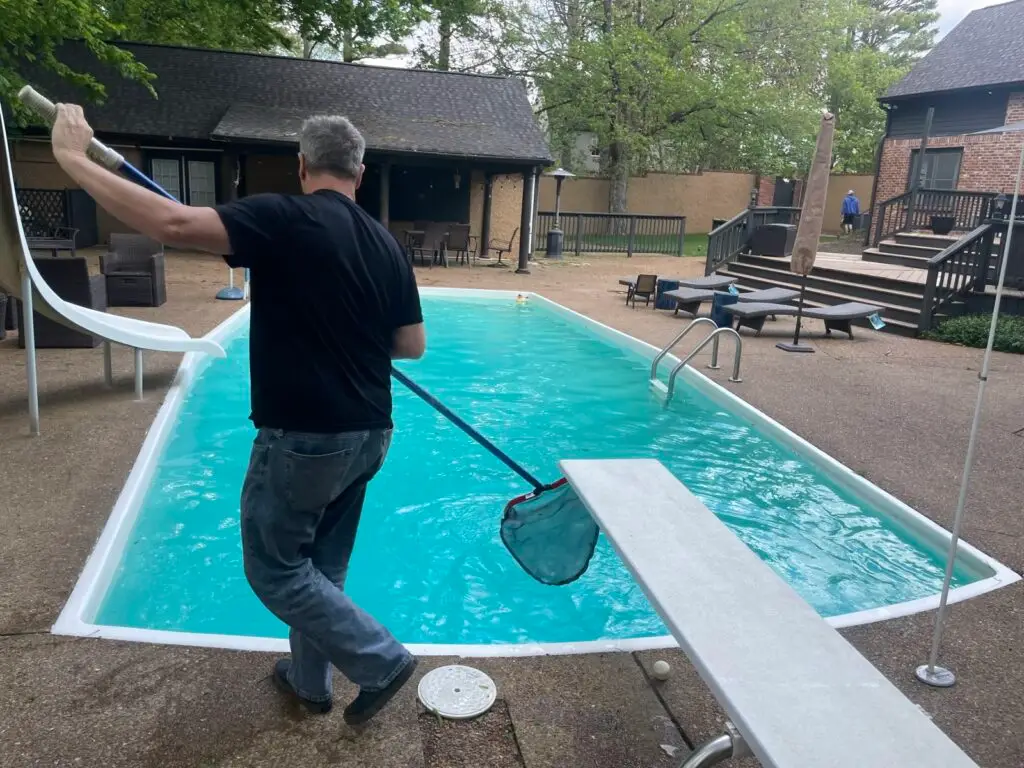
Swamp to swimmable: a green, cloudy or neglected pool tested, shocked and filtered back to clear.
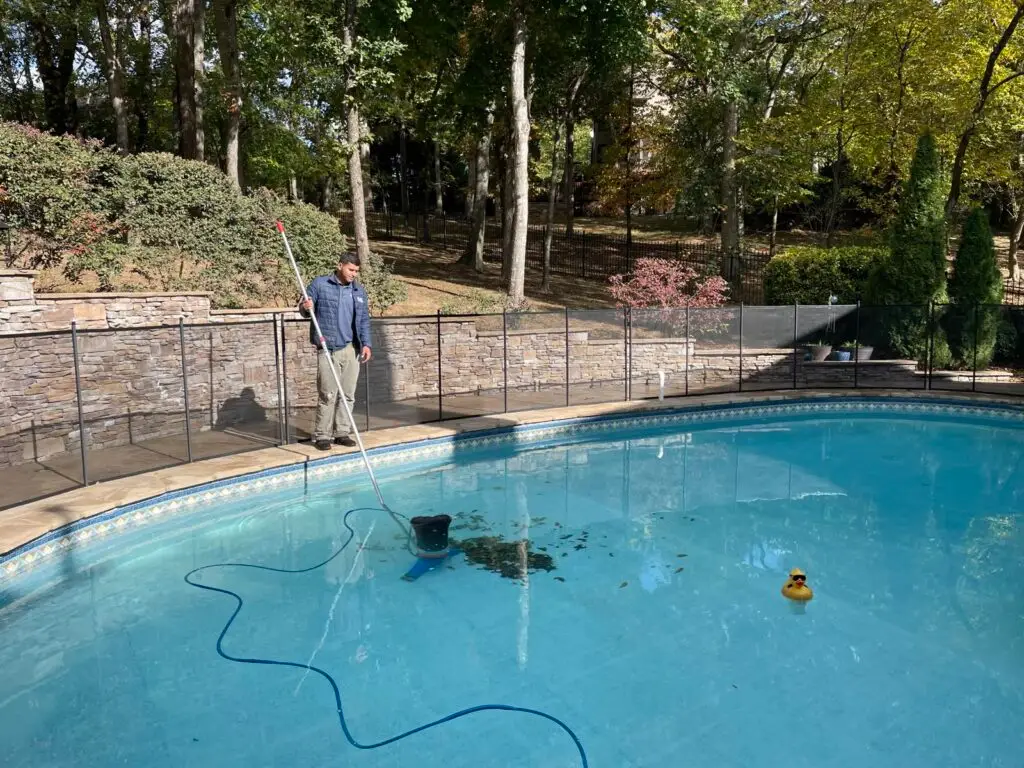
Waterline calcium, stains and scum removed from tile, spillways and rock without draining the pool.
Seasonal openings and winterizing so your pool is ready when you are.
Free quote
Send us a photo of the stains and tell us how long they have been there, and we will give you a free, no-pressure quote. Prefer to talk? Call (629) 247-6255.
Call or text
Based in
Murfreesboro, TN 37129. Serving Greater Nashville
Hours
Call for hours & availability
Takes less than a minute. Tell us about your in-ground pool and we'll reach out fast with a free, no-pressure quote.
No spam. Fast callback. Or call (629) 247-6255.